Environmental conditions
Natupol Excel Start Up performs best at ambient temperatures between 12-30°C. Pay attention to advice for best practice under conditions with artificial light or in hot environments.
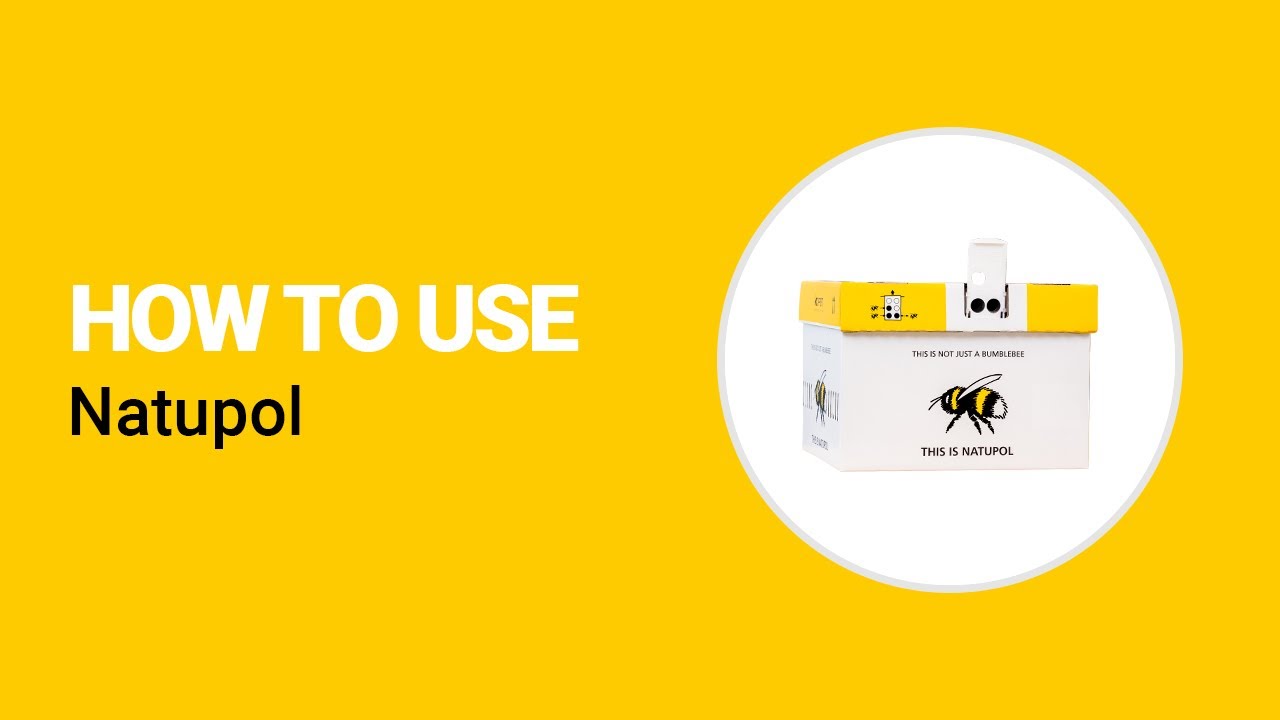
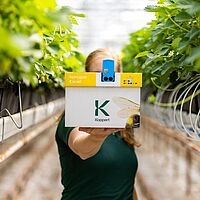
Standard bumblebee hive for use in protected crops
With Beevision print
With Beehome door
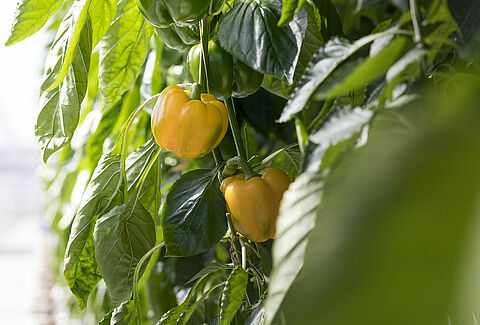
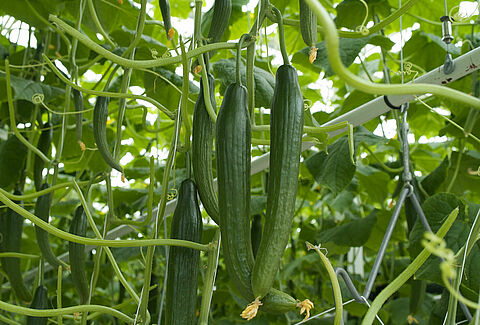
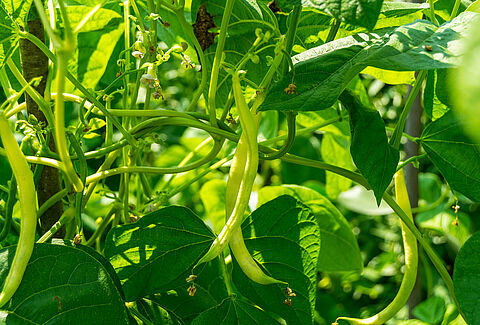
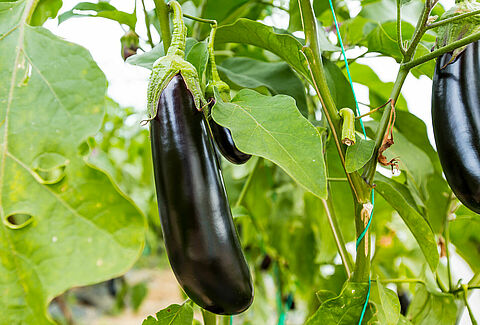
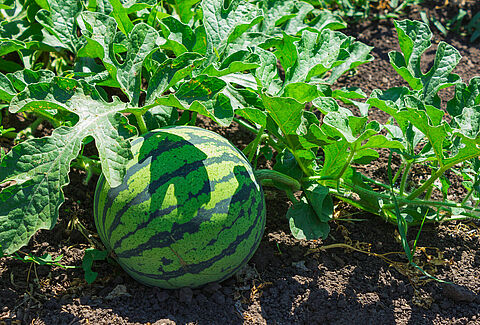
Natupol Excel Start Up can be used for a wide range of crops, grown on surfaces bigger than 2000 m² and with approximately 25-35 flowers per m² per week.
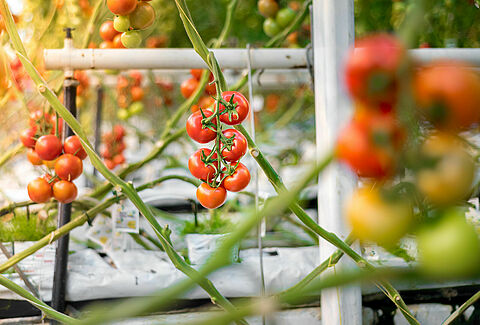
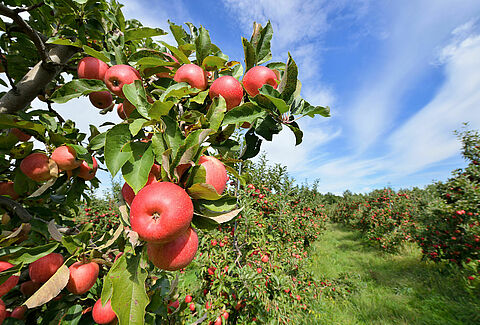
Round, beef and plum tomatoes and other vegetable or fruit crops.
"The general conditions of Koppert (Koppert B.V. and/or of its affiliated companies) apply. Only use products that are permitted in your country/state and crop. Always comply with the conditions specified in local product registrations. Koppert cannot be held liable for unauthorized use. Koppert is not liable for any loss of quality if the product is stored for longer than recommended and/or under incorrect conditions."
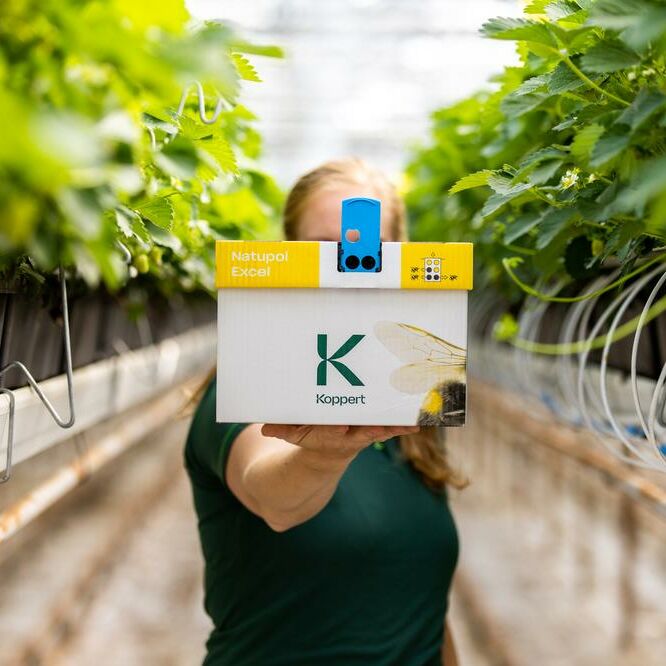
After introduction of the hive, worker bumblebees start pollinating the flowers while at the same time collecting pollen to feed the brood. More workers emerge from the brood in the weeks after the introduction, increasing both colony size and pollination performance. After some weeks the colony will reach its maximum size and starts declining in size and pollination activity. Colony development depends on environmental conditions and the amount and quality of pollen.
One standard colony of bumblebees including a queen, workers, brood and sugar water.
Natupol Excel Start Up performs best at ambient temperatures between 12-30°C. Pay attention to advice for best practice under conditions with artificial light or in hot environments.
To guarantee the best pollination results, start using the hive on the day of arrival. If necessary hives can be stored for maximum 1 day.
15–25°C.
Keep hives in a well ventilated environment, out of direct sunlight.
After the pollination cycle, once there is no life in the bumblebee colonies, the ‘Beehome’ system should be closed. Remove the plastic liner and the sugar water tank from the hive, then place the liner back inside. Seal the entire hive in a plastic bag, remove it from the crop area, and dispose of the sealed bag and sugar water tank in accordance with local waste disposal regulations.