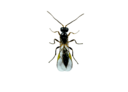
diverse population composition is present, so when applied in hotspots the adults are followed up by the growing nymphs and also Spidex eggs that are present
help reduce mealybug and scale populations by attacking both larvae and adults. Pheromone traps support early detection and population monitoring. With
parasitic wasps also engage in host feeding. This behavior involves the adult wasps feeding on the host’s body fluids, which can be important for their
on spider mites across multiple life stages, including eggs, larvae, and adults. Their integration into IPM programs forms the cornerstone of success, ensuring
agriculture, greenhouses, nurseries, and hydroponic systems. Can be applied to adult plants, cuttings, seedlings and transplants by drench, drip, in-furrow seeding
to combat the eggs of the Duponchelia moth. Pheromone traps capture the adult moths. Lex Scheffers describes biological plant protection as a godsend.
Spring: before flowering Spring/Summer: at fruitlets fall Soil Soil Adults, before emergence Larvae Pest Latin Name Codling moth Capirel Casea
beetles ( Agriotes spp.); Flea beetles ( Phyllotreta spp.) Beetle larvae & adults (Coleoptera): Red palm weevil ( Rhynchophorus ferrugineus ); South American
nematodes reproduce, developing through multiple juvenile stages into mature adults. Emergence: After consuming the host insect's tissues and the bacteria,