Pests Larvae of various species of thrips (first and second larval stages); eggs and larvae of greenhouse whitefly ( Trialeurodes vaporariorum ) and tobacco whitefly ( Bemisia tabaci ). Crops Do not u
Pests Two-spotted spider mite ( Tetranychus urticae ) and other Tetranychus spp., except Tetranychus evansi . Mode of action Predatory mites multiply within the sachet and gradually disperse into the
Introduction to spider mite management Spider mites are a persistent problem in both agricultural and horticultural settings. These tiny arachnids feed on plant tissues, causing extensive damage that
Pests Aphids and other pests, like mealybugs , Echinothrips and eggs of pest lepidoptera species . Mode of action Larvae of the lacewing attack their prey and suck their body fluids. Visual effect Pre
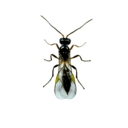
Pests Leaf miners ( Lyriomyza spp.). Mode of action Adult female parasitic wasps of Diglyphus isaea kill second and third instar leaf miner larvae in the mine and lay their eggs next to them. The eggs
Pests Two-spotted spider mite ( Tetranychus urticae ) and other Tetranychus spp., except Tetranychus evansi . Mode of action Predatory mites use their piercing mouthparts to extract the conten
Entonem can be used for biological control of various insect pests in protected crops and urban greens. It is effective at low temperatures, thus can also be applied in colder parts of the season. Pes
Pests Two-spotted spider mite ( Tetranychus urticae ); european red mite ( Panonychus ulmi ); citrus red mite ( Panonychus citri ); other spider mite species. Crops Do not use in tomato. Mode of actio
The predatory mite Neoseiulus californicus (previously Amblyseius californicus) is commonly used for biological pest control of spider mites . Although Neoseiulus californicus prefers spider mites it
Predatory bugs Predatory bugs are beneficial insects crucial for natural pest control in agriculture. Equipped with piercing mouthparts, they actively hunt and feed on various harmful pests, helping t