solution in integrated pest management (IPM) strategies, where it acts as a natural enemy to help control thrips populations. Neoseiulus cucumeris for pest
pest control in horticulture and agriculture. These predatory mites are natural enemies of various pests like thrips , whitefly , non-webbing spider mites
for its role in biological pest control . Amblydromalus limonicus is a natural enemy of various pests like thrips and whitefly . These predatory mites
such as predatory mites can be an effective preventative measure, as these natural enemies can help keep thrips populations in check. Predatory mites in sachets
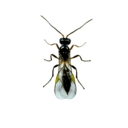
healthy, productive crops. Biological control of aphids uses a combination of natural enemies that attack aphids in different ways: Parasitic wasps Predatory
About The sweet pepper, also referred to as bell pepper or just pepper, is part of a specific group of cultivars that belongs to the species Capsicum annuum . These different cultivars of the sweet pe
crops. Biological control of spider mites and other mites uses a range of natural enemies that target different developmental stages of the pest: Predatory
The predatory mite Phytoseiulus persimilis is by far the most important natural enemy of Two-spotted spider mite (Tetranychus urticae) and has been used
resilient plants Nutrient deficiency Improves nutrient uptake and use through natural chelators and a larger root system Ensures plants access essential nutrients