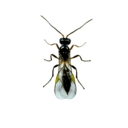
Releases should be repeated at least 3 times. Consult a Koppert advisor or a recognized distributor of Koppert products for advice on the best strategy for your [...] Myzus nicotianae ) The natural enemy Aphidius colemani is available at Koppert as Aphipar . Aphidius colemani products Aphipar Expand all items How to
4-6 weeks if the pest is not controlled. Consult a Koppert advisor or a recognized distributor of Koppert products for advice on the best strategy for your
General The western flower thrips (Frankliniella occidentalis) is currently the most damaging thrips species in many greenhouse crops. The western flower thrips (Frankliniella occidentalis) can be fou
4 weeks if the pest is not controlled. Consult a Koppert advisor or a recognized distributor of Koppert products for advice on the best strategy for your
switch to the use of En-strip or Enermix . Consult a Koppert advisor or a recognized distributor of Koppert products for advice on the best strategy for your
Releases should be repeated if necessary. Consult a Koppert advisor or a recognized distributor of Koppert products for advice on the best strategy for your
switch to the use of Enermix or Ercal . Consult a Koppert advisor or a recognized distributor of Koppert products for advice on the best strategy for your
consultation is always free to Koppert customers, and that’s the way it should be. You trust us to create a custom Koppert BioSolution that works and it [...] program and looking for solutions, it’s a good time to call in the experts. Koppert’s Technical Consultant team knows the entire IPM process. Our experts understand [...] make a program work. They’re like a pit crew for a Formula One race car. Koppert’s professionals and regional specialists are stationed around the country
General The diamond back moth (Plutella xylostella) belongs to the family of Plutellidae . It only attacks Brassicaceae species, including cruciferous weeds. The diamond back moth (Plutella xylostella
General The black vine weevil, Otiorhynchus sulcatus, is a pest in many ornamental crops (e.g. rhododendron, cyclamen and azalea), as well as in strawberries and other fruit crops in both temperate an