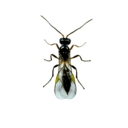
Sjaak van Dijk’s father was already using the predatory mite Phytoseiulus persimilis and Sjaak himself has always used it. However, Sjaak recently made the switch to Spidex Vital . His initial experie
While the spread of Tuta absoluta continues to seriously damage tomato crops worldwide, Italian greenhouse tomato grower and technician, Vittorio Zoboli, confirms that Koppert’s nematode-based product
Koppert’s nematode product, Capsanem , is considered the ‘reference’ solution against Nesidiocoris tenuis in France; especially this year when the pressure is really high, with Nesidiocoris showing up
In the Municipality of Venray a third of the tree stock in the area, some 11,000 trees, is oak. ‘We’ve been using Koppert’s nematode product Entonem as a curative measure against the oak processionary
The Municipality of Enschede started using nematodes for the first time in the spring of 2021 to try to halt the spread of the oak processionary caterpillar. The municipality’s built-up area has a tot
There are many oak trees in the forests and plantations around Doetinchem. Marc van Rijswijk is the spokesman for Buha, the implementing organization for the Municipality of Doetinchem whose responsib
In the crop production process, harvest is where the results of agronomic management can be seen. Good management not only results in quality fruit with longer shelf life, but also in the number of pr
Located in the municipality of Linares, Nuevo León, HyFood - Hydroponic Premium Crops is a company dedicated to the production of different varieties of habanero peppers in hydroponic system. Since it
In Dronten lies Koen's farm, where traditional and organic agriculture come together. In an interview, Koen shares his personal experiences and insights about the future of agriculture, where traditio
Floricultura is a big name in the international orchid market. The company produces young plants of the Phalaenopsis, Cymbidium, Cambria, and Miltonia varieties. ‘These form the starting material for