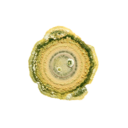
The predatory mite Stratiolaelaps scimitus is also known under the scientific name Hypoaspis miles . It is a soil-dwelling predatory mite occurring naturally in several parts of the world. This predat
The predatory mite Neoseiulus californicus (previously Amblyseius californicus) is commonly used for biological pest control of spider mites . Although Neoseiulus californicus prefers spider mites it
The predatory mite Neoseiulus cucumeris (also called Amblyseius cucumeris ) is widely used for the biological control of thrips in greenhouse crops. These predatory mites feed mostly on first instar t
The predatory mite Phytoseiulus persimilis is by far the most important natural enemy of Two-spotted spider mite (Tetranychus urticae) and has been used in many crops worldwide, mainly in greenhouses,
Amblyseius swirskii is a species of predatory mite widely employed for biological pest control in agriculture. The predatory mite is an excellent biocontrol agent of thrips and whiteflies. Amblyseius
Amblydromalus limonicus is a species of predatory mite known for its role in biological pest control . Amblydromalus limonicus is a natural enemy of various pests like thrips and whitefly . These pred
Pests Two-spotted spider mite ( Tetranychus urticae ) and other Tetranychus spp., except Tetranychus evansi . Mode of action Predatory mites multiply within the sachet and gradually disperse into the
What are predatory mites? Predatory mites are beneficial arthropods used in pest control to manage and reduce populations of harmful pests in various agricultural and horticultural settings. These tin
Pollination plays a pivotal role in the formation of fruits and seeds. In the context of open field crop cultivation, effective pollination is key to bountiful harvests and sustainable agriculture. In
Koppert bumblebees ensure natural pollination in both indoor and outdoor crops. We will delve into the key principles of outdoor crop pollination and explore practical advice to maximize pollination r