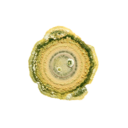
Trianum-G is a preventive biofungicide for control of soilborne plant pathogens and plant root diseases. Trichoderma harzianum strain T-22 when applied as an inoculant to soil, planting mixes or turf,
Pests Especially for cotton aphid ( Aphis gossypii ) ; tobacco aphid ( Myzus persicae var. nicotianae ); peach-potato aphid ( Myzus persicae var. persicae ). Mode of action Adult parasitic wasps emerg
Pests Especially for potato aphid ( Macrosiphum euphorbiae ) and glasshouse potato aphid ( Aulacorthum solani ). Ervipar also parasitizes tobacco aphid ( Myzus persicae var. nicotianae ). Mode of acti
Use Horiver Wetstick for trapping and monitoring of different flying insects. Pests Yellow: whitefly , thrips , fungus gnats, leaf miners Blue: thrips Black: Tuta absoluta Red: Drosophila suzukii Whit
Predatory bugs Predatory bugs are beneficial insects crucial for natural pest control in agriculture. Equipped with piercing mouthparts, they actively hunt and feed on various harmful pests, helping t
What is biological disease control? Biological control of plant diseases is a method used to manage and reduce the impact of plant diseases by utilizing beneficial organisms. This method relies on the
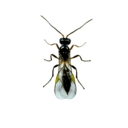
What are parasitic wasps? Parasitic wasps are small insects that play a crucial role in natural pest control. They are called "parasitic" because they lay their eggs inside or on harmful pest insects.
Amblyseius andersoni is a species of predatory mite and is used for biological pest control in horticulture and agriculture. These predatory mites are natural enemies of various pests like thrips , wh
Beneficial nematodes for pest control Nematodes for pest control, often referred to as entomopathogenic nematodes or beneficial nematodes, are microscopic roundworms that serve as natural agents for b
What is IPM? Integrated Pest Management, often referred to as IPM, is a sustainable and environmentally responsible approach to pest management. It employs a combination of strategies to prevent and c