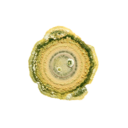
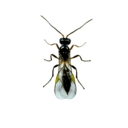
Pests Two spotted spider mite ( Tetranychus urticae ); European red mite ( Panonychus ulmi ); citrus red mite ( Panonychus citri ); other spider mite species. Crops Do not use in tomato. Mode of actio
Pests Young larvae of various thrips species and eggs and larvae of whitefly . Crops Do not use in tomato. Mode of action Predatory mites use their piercing mouthparts to extract the contents of their
Pests Young larvae of various thrips species. Crops Do not use in tomato. Mode of action Predatory mites use their piercing mouthparts to extract the contents of their prey. Pack size 50,000; 100,000;
Pests Young larvae of various thrips species and eggs and larvae of whitefly . Crops Do not use in tomato. Mode of action Predatory mites multiply in the sachet and disperse into the crop over a perio
Pests Young larvae of various thrips species. Crops Do not use in tomato. Mode of action Predatory mites use their piercing mouthparts to extract the contents of their prey. Pack size 50,000 predatory
Pests Young larvae of various thrips species. Crops Do not use in tomato. Mode of action Predatory mites multiply in the sachet and disperse into the crop over a period of several weeks. Predatory mit
Pests Various species of thrips . Crops Do not use in tomato. Mode of action Adults and nymphs pierce thrips larvae and adults with their sucking mouthparts and suck out the contents. Visual effect Th
Larvanem can be used for biological control of larvae of weevils and other beetles in a wide range of crops. Pests Beetles (Coleoptera): Weevils (Curculionidae): Black vine weevil (Otiorhynchus sulcat
What are predatory mites? Predatory mites are beneficial arthropods used in pest control to manage and reduce populations of harmful pests in various agricultural and horticultural settings. These tin