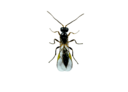
Pests Especially for cotton aphid ( Aphis gossypii) ; tobacco aphid ( Myzus persicae var. nicotianae ); peach-potato aphid ( Myzus persicae var. persicae ). Mode of action Adult parasitic wasps emerge
appetite they can devour spider mites with the greatest ease, keeping the natural balance in the crop. This is why growers continue to opt for Spidex.” Read
Pests Larvae of various species of thrips (first and second larval stages); eggs and larvae of greenhouse whitefly ( Trialeurodes vaporariorum ) and tobacco whitefly ( Bemisia tabaci ). Crops Do not u
residual effect, it is easier for the grower to build up a population of natural enemies. Thrips infestations often start along paths and in warm places
with a sticky substance. This means that tomato growers must use larger natural enemies against whitefly and thrips – ones that can literally fly or step
lot of red light; a color that bumblebees cannot see. If there is little natural light, they are reliant on the grow lights in order to find their way around
Militão. Sociedade Agrícola Militão highly values that Trianum is a 100% natural product authorized for organic farming and does not leave residues on fruit
for this insect. Aphids The good news is that aphids have all sorts of natural enemies. The best strategy for you to use depends on the type of aphid you
their role in communicating the challenges they face. In collaboration with nature, we strive to find solutions for today's cultivation issues, promoting healthier
Pests Two spotted spider mite ( Tetranychus urticae ); European red mite ( Panonychus ulmi ); citrus red mite ( Panonychus citri ); other spider mite species. Crops Do not use in tomato. Mode of actio