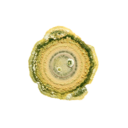
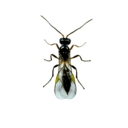
General The diamond back moth (Plutella xylostella) belongs to the family of Plutellidae . It only attacks Brassicaceae species, including cruciferous weeds. The diamond back moth (Plutella xylostella
General The potato aphid ( Macrosiphum euphorbiae ) is of North American origin, but is these days distributed throughout the world. It is a highly polyphagous species with a preference for Solanaceae
General Impatiens thrips (Echinothrips americanus) is an increasing problem in greenhouse cultivation, having spread to many countries within the last 30 years. The thrips have mostly been able to spr
General The tobacco whitefly ( Bemisia tabaci ) belongs to the family Aleyrodidae , and the sub-family Aleyrodinae . This insect was first identified on tobacco in Greece in 1889, hence the name tabac
General The hemp russet mite ( Aculops cannabicola ) belongs to the family Eriophyidae (gall and rust mites). It does not produce galls but lives freely (vagrant) on hemp/cannabis plants. Aculops cann
important to combat this pest as quickly as possible. However, effective biological control starts with understanding the pest you have to deal with and
General The American serpentine leaf miner ( Liriomyza trifolii ) originates from North America, but occurs also in Europe since about 1976. The American serpentine leaf miner ( Liriomyza trifolii ) i
General The glasshouse potato aphid ( Aulacorthum solani) is a native European species of aphids , seriously affecting crops of sweet pepper in particular. These aphids further affect ornamental crops
General Pseudococcus longispinus occurs naturally in tropical and sub-tropical regions, but these days it is widespread throughout the world. The range of host plants of Pseudococcus longispinus is le
the growing season. Customizing the ideal integrated pest management (IPM) system to control pest and diseases for the current and future seasons. This