feed on plant sap and grow rapidly. When reproduction is sexual, the aphids lay eggs that overwinter. In greenhouses reproduction also takes place by par
males and sexually-reproducing females are produced. After mating, the female lays her eggs on leaves, flowers and stems to overwinter and produce the next
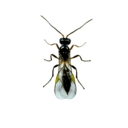
Mode of action Adult parasitic wasps emerge from the mummies and females lay their eggs into aphids . The next generation of parasitic wasps develop inside
Mode of action Adult parasitic wasps emerge from the mummies and females lay their eggs in aphids . The next generation of parasitic wasps develops inside
Mode of action Adult parasitic wasps emerge from the mummies and females lay their eggs into aphids . The next generation of parasitic wasps develops inside
flies , at most only several millimetres long. When the adult females feed or lay eggs, they bore a hole using their toothed ovipositor, usually in the upper
during the vulnerable seed emerging phase. In spring, adult bean seed flies lay eggs near host plants. Larvae hatch and tunnel into the soil, feeding on seeds
crops such as onion, radish, and cabbage. Bean seed fly damages crops by laying their eggs near plant bases. Hatching larvae tunnel into the soil and feed
for future egg fertilization. When protein-rich food is available, she will lay up to 500 eggs in several batches on decaying organic matter, such as food