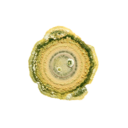
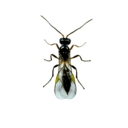
General Pseudococcus longispinus occurs naturally in tropical and sub-tropical regions, but these days it is widespread throughout the world. The range of host plants of Pseudococcus longispinus is le
General The tomato russet mite (Aculops lycopersici , also referred to as Vasates lycopersici, Vasates destructor and Phyllocoptes destructor in older publications) belongs to the family Eriophyidae.
General The golden twin-spot moth or tomato looper ( Chrysodeixis chalcites ) belongs to the family of Noctuidae . It is a tropical and subtropical species originating in the Mediterranean and norther
About This popular vegetable is a round seed in the seed pod of the fruit, Pisum sativum . Pods of this plant develop from the ovary of a pea flower and carry numerous peas. The vegetable is a bright
General The broad mite (Polyphagotarsonemus latus) occurs in the tropics and in greenhouses in temperate regions. The broad mite (Polyphagotarsonemus latus) has a wide range of host plants, especially
need to help educate cultivators on the effective use of BCA's (Biological Control Agents). Over the last four years the company blossomed into a leader in
combat whitefly . Richard sees this as an opportunity to give biological control in Poinsettia cultivation in the Netherlands an additional boost. ‘Koppert
n and analysis of not only pests and diseases, but also the biological control and chemical agents present in the greenhouse,’ says Vroegop. ‘The smartest
grown under glass. Their existence and movements are hard to detect, making control a complicated matter. Good to know: mealy bugs were among the very first
IPM. After all, if a plant doesn't get sick, you don't have to use any control. If you want your IPM approach to be successful, you need to start by selecting