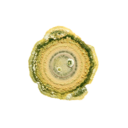
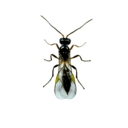
General The garden chafer ( Phyllopertha horticola ) is a beetle from the Scarabaeidae family. It does most of its damage in the larval stage when it feeds on roots of grasses and clover. The adults f
General The citrus mealybug ( Planococcus citri ) has a world-wide distribution and many and diverse host plants. In temperate regions of the world this mealybug poses a problem in greenhouse horticul
General Pseudococcus longispinus occurs naturally in tropical and sub-tropical regions, but these days it is widespread throughout the world. The range of host plants of Pseudococcus longispinus is le
General The American serpentine leaf miner ( Liriomyza trifolii ) originates from North America, but occurs also in Europe since about 1976. The American serpentine leaf miner ( Liriomyza trifolii ) i
General The cotton aphid ( Aphis gossypii ) is an extremely polyphagous aphid found on more than 700 plant species. Crop plants attacked by this aphid include cotton, citrus, coffee, cocoa, eggplant,
General The tobacco aphid ( Myzus persicae subsp. nicotianae ) probably evolved from the peach potato aphid in the Far East and is a key pest of tobacco crops in both the United States and South Ameri
General The glasshouse potato aphid ( Aulacorthum solani) is a native European species of aphids , seriously affecting crops of sweet pepper in particular. These aphids further affect ornamental crops
General The green peach aphid ( Myzus persicae subsp. persicae ) is an important insect pest in sweet pepper, tomato, cucumber and many other greenhouse crops. The aphid may originate from Asia, where
General The western flower thrips (Frankliniella occidentalis) is currently the most damaging thrips species in many greenhouse crops. The western flower thrips (Frankliniella occidentalis) can be fou
General The potato aphid ( Macrosiphum euphorbiae ) is of North American origin, but is these days distributed throughout the world. It is a highly polyphagous species with a preference for Solanaceae