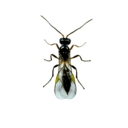
host plants. Larvae hatch and tunnel into the soil, feeding on seeds and roots of young plants, causing patchy emergence and crop loss. The rapid damage
eggs near plant bases. Hatching larvae tunnel into the soil and feed on roots, stems, and hypocotyls, reducing water and nutrient uptake. This results
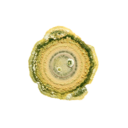
palm borer ( Paysandisia archon ); Beetle larvae (Coleoptera): Flatheaded root borer ( Capnodis tenebrionis ); Wireworms/Click beetles ( Agriotes spp.); [...] hours to days after infection. Visual effect Infected pest insects in the root zone turn yellow to brown but may be difficult to find, due to rapid degradation
antiqua ). The larvae of the onion fly can cause significant damage to the roots and bulbs of onions and related plants, sometimes even killing seedlings
eaten. It has even been known for the caterpillars to inflict damage to the roots of crops cultivated in an ebb-and-flow irrigation system. The damage threshold
Coleoptera ) : Colorado potato beetle ( Leptinotarsa decemlineata ); Flatheaded root borer ( Capnodis tenebrionis ) Fly larvae ( Diptera ): Shore flies ( Scatella [...] Infected foliar pests simply fall to the ground. Infected pest insects in the root zone turn yellow to brown, but may be difficult to find due to rapid degradation
support the plant’s extra mineral demand: Use the root enhancer Vidi Parva in the spring to improve root mass and quality. During the crucial flowering and
quite persistent. Especially once the fungal mycelium has 'conquered' the roots of a crop, there is little that moves it. Please note that when using the
countries. The active ingredient, Trichoderma harzianum T22, colonizes the root system of plants and thus protects numerous crops against soil pathogens
of producing and we decided to introduce new means that help protect the roots. It was in this way that we first learned about Trianum-P, a biological solution