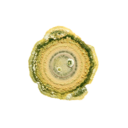
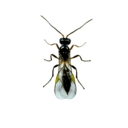
Biological control of beetles Beetles can cause serious damage in many greenhouse and field crops by feeding on leaves, roots, or fruits, leading to reduced growth and yield loss. Effective beetle con
Biological control of mealybugs and scales Mealybugs and scale insects are persistent pests that feed on plant sap, weakening crops and producing honeydew that leads to sooty mould. Infestations reduc
Biological control of leaf miners Leaf miners are damaging pests that tunnel through leaves, reducing photosynthesis and weakening plant growth. Their feeding patterns cause visible leaf damage, lower
Biological control of aphids Aphids are among the most harmful pests in greenhouse and field crops, causing plant stress, virus transmission and yield loss. Effective aphid control is essential for ma
Biological control of whitefly Whiteflies are common pests in greenhouse and field crops, feeding on plant sap and transmitting harmful viruses. Their feeding weakens plants, causes leaf yellowing and
Biological control of spider mites and other mites Spider mites and other mite species can rapidly infest greenhouse and field crops, feeding on plant cells and causing leaf discoloration, reduced pho
Biological control of thrips Thrips are among the most challenging pests in greenhouse and field crops. Their feeding and virus transmission cause leaf deformation, silvering and fruit damage, leading
About There are many species of flowering potted plants, the most common species are: Poinsettia is well known and popular for its large red, white and green leaves, especially around Christmas. Begon
About A melon can be any one of several plants belonging to the family of Cucurbitaceae . The melon plant produces a usually sweet and edible, fleshy fruit. The term "melon" is used for the plant, but
Use PhylloKare to increase desirable yield and quality, enhance overall plant nutrition, support plant establishment and development, improve plant vigor, and maximize crop potential during periods of