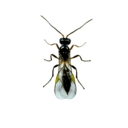
varying environmental conditions and its efficiency in reducing whitefly infestations. Adults of this species do not feed on whiteflies but instead rely on
situation. Start introduction preventively or as soon as te first signs of infestation appear. Introduction rates typically range from 0.1-0.5 per m 2 /release
usually laid individually or in clusters on plant foliage or near mealybug-infested areas. They are typically yellow-white in color and may be found attached
, we saw a reduction of Tuta in the crop of more than 80%. The large infestation which was present was reduced and under control, and the application greatly
prevention rather than reaction. It emphasizes practices that deter pests from infesting in the first place. Monitoring Regular monitoring of pest populations helps
reproduce in large numbers. The pest insect stops feeding soon after being infested, and dies within a few days. The nematodes that emerge then start their [...] beneficial nematodes like Capirel, is key to controlling bean seed fly infestations and minimizing crop damage. The beneficial nematodes proved to be effective
diseases allows for timely intervention, reducing the risk of widespread infestations or outbreaks. Monitoring involves recording data on pest and disease
non-balanced nutrition, the influence of viruses, plant diseases, pest infestations, insufficient or extreme growth, extreme climate conditions and the influence
behaviour. Ladybugs use their keen sense of smell to locate areas with aphid infestations. Once they find aphids, ladybugs use their specialized mouthparts to
instance, growers might release predatory mites to control spider mite infestations in a greenhouse. Augmentative biological control can provide rapid results