smaller versions of the adults but lack fully developed wings. Nymphs are yellow initially, turning darker (orange to brown) as they mature. They have p
and suck out the contents. These dead cells become yellow. As damage increases, whole leaves turn yellow and as the chlorophyll is removed, the leaf, and
clusters on plant foliage or near mealybug-infested areas. They are typically yellow-white in color and may be found attached to leaves. Larval stage: Cryptolaemus
eye on their health and appearance. Look for any unusual signs, such as yellowing leaves, wilting, unusual growth patterns, spots, or lesions. Early detection
open-field crops. These pests pierce plant cells, causing stippling, leaf yellowing, and eventual necrosis. Outbreaks can escalate quickly under warm, dry
after infection. Visual effect Infected pest insects in the root zone turn yellow to brown but may be difficult to find, due to rapid degradation. Pack size
adults and juveniles chew on leaves, causing foliage to become misshapen and yellow. They also foul plants with their honeydew secretions. Starved of chlorophyll
living cells. They all appear as white powder. Severely affected leaves turn yellow and fall off. A serious mildew infestation can have dire consequences for
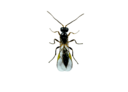
that is dark brown to black in colour, a dark brown to black thorax, and a yellow abdomen. The male is entirely black.
causing it to swell. The cuticle turns from a hard, leathery brown to a golden yellow casing, known as a mummy. Parasitized aphids turn into golden brown mummies