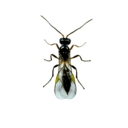
introduction as soon as the first thrips are detected in the crop. Introduction rates typically range from 0.5-10 per m2/release. Releases should be repeated once
transfer more pollen to the pistils with each visit. Bumblebees promote higher rates of cross-pollination, as they forage between plants more randomly than honeybees
transfer more pollen to the pistils with each visit Bumblebees promote higher rates of cross-pollination, and visit many more blooms per minute Bumblebees are
c properties ensures uniform leaf coverage and higher efficacy at lower rates than standard sulfur, giving you granular control over nutrient delivery
introduction preventively soon after planting of the crop. Introduction rates typically range from 1-10 per m2/release. Releases should be repeated at
preventively or as soon as te first signs of infestation appear. Introduction rates typically range from 0.1-0.5 per m 2 /release. Releases should be repeated
The poultry red mite is a huge problem for the egg sector as an infestation rate of 90% on poultry farms causes approximately 231 million euro damage in the