the high side. It is better to use a little too much than not enough; infestations must always be prevented as much as possible. We certainly don’t skimp
their role as virus vectors (e.g., TSWV) increases the risk profile of infestations, making early intervention and IPM essential. Biological control of thrips
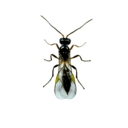
wasp’s feeding rate and efficacy can vary with the density of leafminer infestations, allowing it to adapt to changing pest pressures. Adult Diglyphus isaea
(IPM) strategies, offering growers a sustainable solution for spider mite infestations. By using Feltiella acarisuga in their pest management programs, agricultural
easy for the employees to access the plants, for example to scout them. Infestations may therefore occur in the greenhouse that only become noticeable once
seamlessly into existing crop protection programs, helping growers manage infestations, reduce resistance, and maintain healthy crops. Learn more Plant disease
is a specialist predator of spider mites and can control spider mite infestations very quickly but doesn’t feed on any other prey. Under dry, warm conditions
General The cockchafer ( Melolontha melolontha) , also known as the doodlebug or May bug is a European beetle of the genus Melolontha, in the family Scarabaeidae. Damage symptoms The common cockchafer
General Trichoplusia is not only a damaging pest in crucifers, their favourite host, it can also be found in crops such as tomato, pepper, some cucurbits, soybean, sesame and cotton. One of the reason
General The glasshouse potato aphid ( Aulacorthum solani) is a native European species of aphids , seriously affecting crops of sweet pepper in particular. These aphids further affect ornamental crops