Spidex attacks a two-spotted spider mite. To verify predation, check the bodies. Koppert’s unique rearing methods make it an indiator species, so they turn red when they feed on the pest.
Armor Up With Amendments
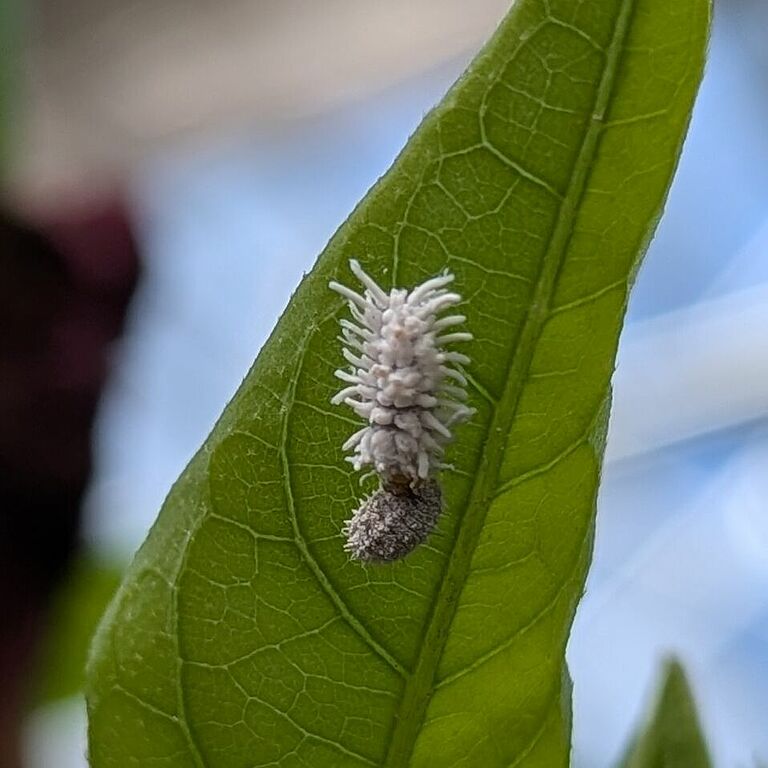
An efficient defense comes from a resilient ecosystem above and below ground, where strong roots, healthy soil, and vibrant leaves form a shield against diseases. This balance is key from the very start at sticking, planting, or repotting. It’s also important whenever roots are disturbed or pests show up.
Koppert offers a full line of beneficial microbes, biofungicides, and mycoinsecticides to support crops before problems begin. Consider adding Trianum-P (T. harzianum T-22), Microflora (B. subtilis, B. amyloliquefaciens), Isarid™ (I. fumosorosea), and Bacilirid (B. amyloliquefaciens strain MBI 600) to your IPM regime. Each plays a different role but together they help plants resist pests and diseases, recover from setbacks, and thrive without harsh chemicals.
Limonica: One Mean Mite
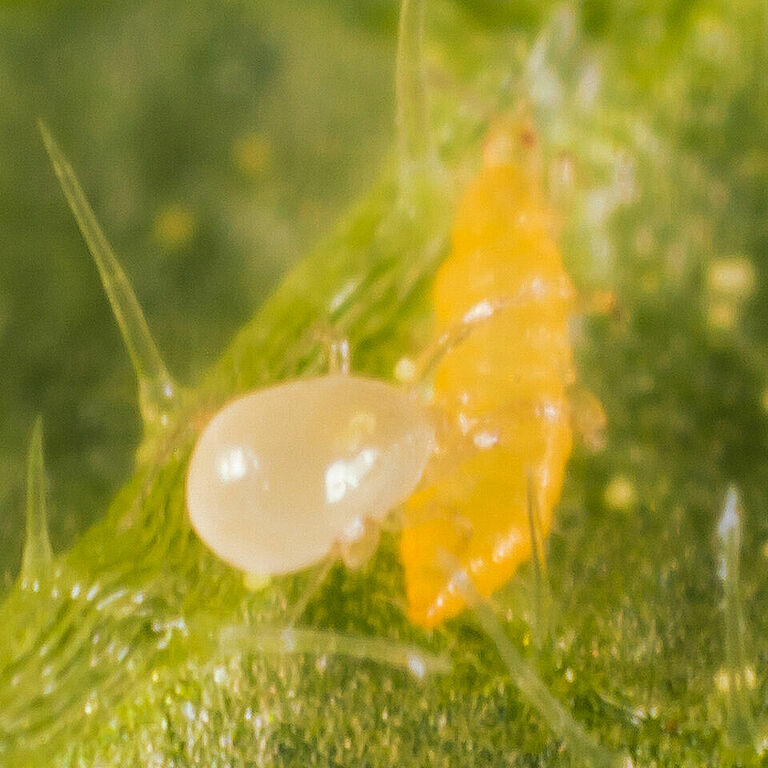
Released to the American market a decade ago, Limonica is a meaner mite for a badder bug like Thrips parvispinus. The most versatile of the generalist predatory mites, Limonica succeeds due to its ability to feed on larger larval instars, not just smaller instars or eggs. Even in cooler temperatures, it continues to feed on many kinds of thrips as well as whiteflies and spider mites.
In the presence of prey, Limonica’s staggering reproductive capacity generates even more Limonica mites over time than other generalists.
- Now available in larger bottle counts.
- Substitute with Swirski-Mite in high temperatures.
Hybrid IPM Programs
Tropicals grow year-round. Chemicals are sprayed year-round. Even with moderate use, pesticide-resistant strains are bred elsewhere but arrive on-site. Losses occur because these hardy insects destroy sellable crops. Biocontrols provide a unique solution because the pests don’t develop a resistance to their predator.

Makes Chemistries More Potent
Using beneficials reduces chemical use. This in turn lowers pest resistance and, as a result, makes the remaining pesticides more effective. Timing and selection are important factors, and Koppert has the details to combine the strengths of both strategies.