For years, thrips management in horticultural crops relied on a combination of scouting, corrective interventions, and control tools that helped keep pest populations below economically damaging levels.
However, the arrival and spread of invasive species such as Thrips parvispinus and Scirtothrips spp. are forcing many growers to rethink parts of their management programs.
The challenge is not that traditional tools have suddenly stopped working. Rather, these emerging pests have changed the conditions under which management decisions are made.
When Reacting Is No Longer Enough
For decades, many pest management programs followed a familiar process: detect the pest, evaluate its population, and respond accordingly.
That approach works reasonably well when there is a clear relationship between pest presence and crop damage. But, as we explored in the previous article, Thrips parvispinus does not always follow that pattern.
Its ability to remain hidden within the crop canopy, utilize multiple host plants, and reproduce rapidly significantly reduces the time available for intervention.
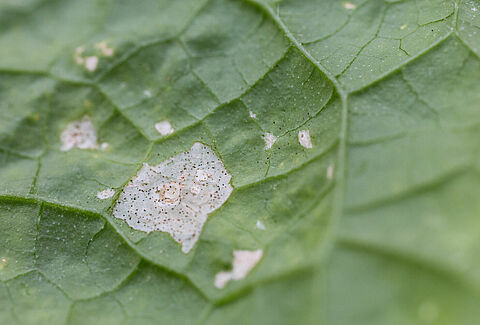
By the time symptoms become visible or population levels are easily detected, part of the economic damage may already have occurred.
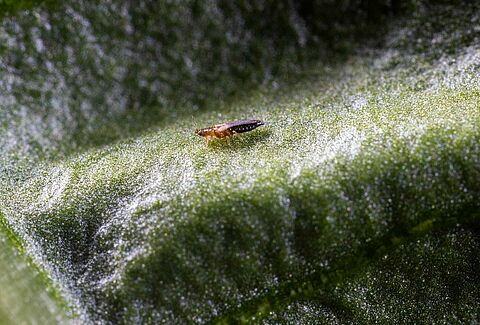
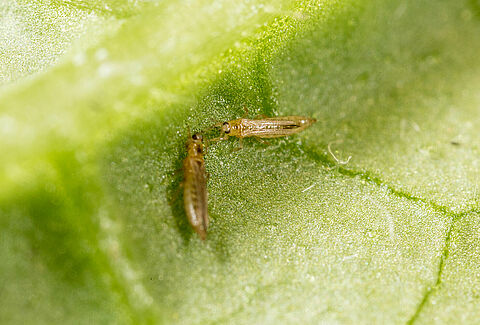
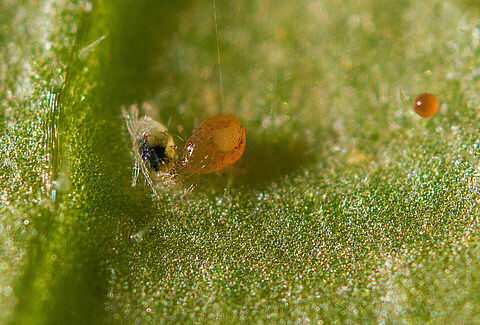
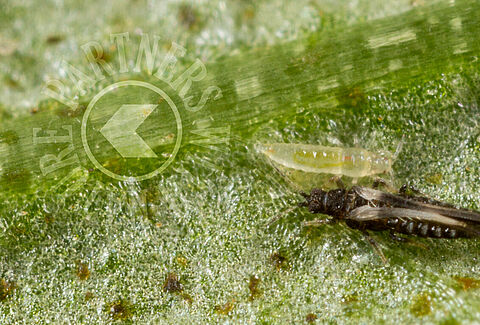
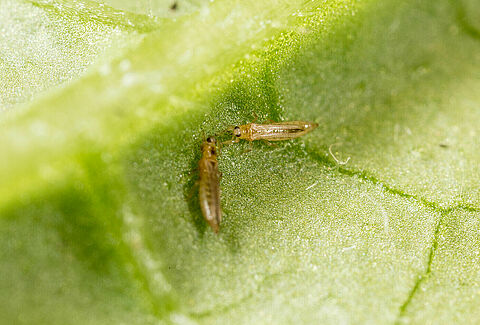
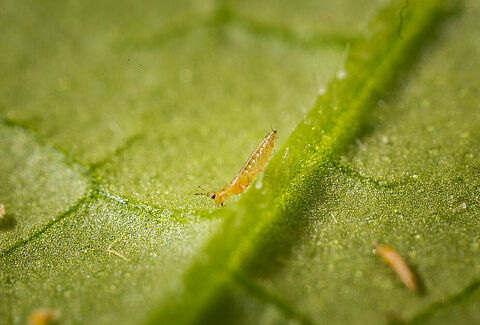
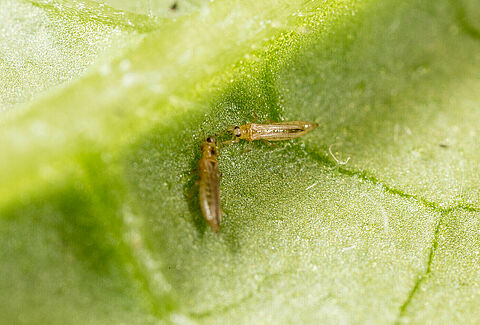
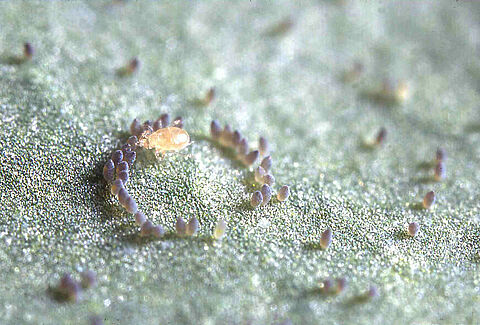
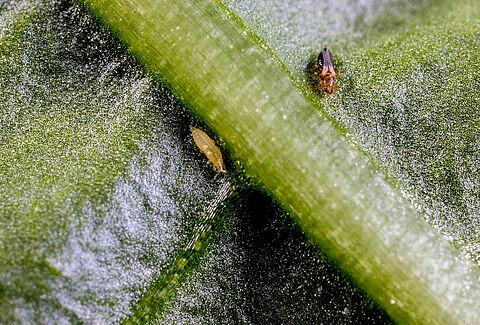
 Thrips parvispinus is highly skilled at hiding within the crop canopy, making early detection difficult before economic damage occurs. (Photo: Koppert)
The Importance of Getting Ahead of the Pest
One of the most important lessons growers and crop consultants are learning is that prevention is no longer optional—it has become a cornerstone of modern Integrated Pest Management (IPM).
Waiting until pest populations reach damaging levels means accepting a much greater degree of risk.
Preventive strategies aim to create conditions that make it difficult for pests to establish and thrive in the first place. Rather than correcting infestations after they occur, the goal is to prevent populations from reaching economically damaging thresholds.
In other words, success increasingly depends on staying ahead of the pest rather than chasing it.
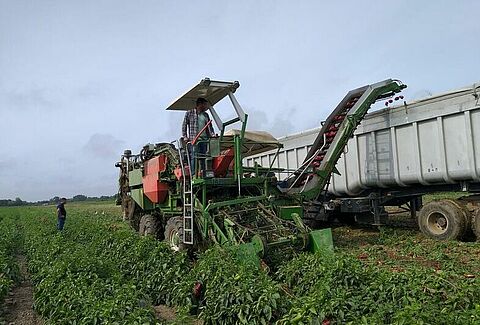
 A healthy sweet pepper crop. Implementing preventive strategies helps create conditions where pests struggle to establish, reducing economic risks. (Photo: Koppert)
The Real Challenge: Maintaining Stable Beneficial Populations
True prevention requires much more than timely scouting.
It requires biological control agents that can establish, reproduce, and remain active within the crop over time.
In this new reality, successful programs depend on the ability of beneficial organisms to:
- Colonize the crop quickly and uniformly
- Remain present even under low pest pressure
- Respond immediately when the first thrips arrive
If beneficial populations are slow to establish—or unable to tolerate changing environmental conditions—the pest gains a critical advantage.
That is why early establishment of biological control agents is becoming just as important as their ability to consume pests
A New Approach for a New Reality
Invasive thrips species are driving a natural evolution in Integrated Pest Management.
Early detection remains important. Scouting continues to be essential. But these practices must now be complemented by stronger preventive strategies that anticipate the biology and behavior of pests such as Thrips parvispinus.
Today, the challenge is no longer simply reacting more effectively.
The challenge is building management programs capable of getting ahead of the pest before it threatens crop quality, yield, and profitability.
Because when dealing with a pest that changes the rules of the game, competitive advantage often belongs to those who establish control first.
Looking Ahead
The Real Challenge Is Establishment: Why Some Natural Enemies Have an Advantage from the Start
In our next article, we will explore why colonization, adaptability, and reproduction have become critical factors in modern biological control programs—and why some natural enemies are better equipped than others to establish themselves before pest pressure becomes a problem.