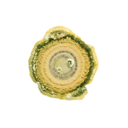
after infection. Visual effect Infected pest insects in the root zone turn yellow to brown but may be difficult to find, due to rapid degradation. Infected
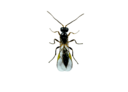
female adults and the nymphs feed on the plants, resulting in misshapen and yellowing leaves. They also foul the plants with their honeydew secretions. Flowers
finally the adult insect. The eggs are kidney-shaped and have a white or yellow shell. Before a female deposits an egg, she makes an opening in the plant
main insecticide resource: 'After two to three consecutive weeks of use, yellow card counts show a noticeable difference,' says Sandy Romsdahl, IPM manager
pests simply fall to the ground. Infected pest insects in the root zone turn yellow to brown, but may be difficult to find due to rapid degradation. Pack size
mites (red stars). 50 Spidex were released on the first plant of each row (yellow star) a week later. Results: a larger population of Spidex Vital reached
reducing water and nutrient uptake. This results in stunted growth, wilting, yellowing, disease susceptibility, seedling death, and reduced crop quality. Capirel
cell sap. As a severe infestation occurs, the leaves show characteristic yellow spots around each reproducing female, followed by leaf drop and defoliation
keep the thrips under control." He emphasizes the importance of Horiver yellow and how its use can help growers to see whether or not a pest is there and