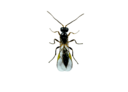
aphids is due to host feeding and parasitization in roughly equal measure. Life cycle and appearance of Aphelinus abdominalis An adult Aphelinus abdominalis
stand before placing new hives Disposal After the pollination cycle, once there is no life in the bumblebee colonies, the ‘Beehome’ system should be closed
predatory and only need water and sugar. Life cycle of Feltiella acarisuga Growers can distinguish between the various life stages of the predatory gall midge
purpose, including nutritional intake and pre-reproductive conditioning. Life cycle and appearance of Anagyrus vladimiri Adults show marked sexual dimorphism:
g aphids and spider mites . Gall midges have a unique and interesting life cycle that contributes to their effectiveness as biological control agents.
helps maintain balance and reduce the reliance on chemical pesticides. Life cycle and appearance of Encarsia formosa The development of E. formosa consists
secretions, the parasite will not readily enter very dense aphid colonies. Life cycle and appearance of Aphidius colemani Female Aphidius spp. deposit an egg
larvae. This optimizes the chances of good egg laying and makes a complete life cycle possible, ensuring a permanent defense against mealybugs . Cryptobug-L
Worth the Buzz Rearing the Best: The Process Behind Our Hives The natural life cycle of the bumblebee is replicated under laboratory conditions at our production