occurs in the larval stage, usually as medium sized instars. Once the temperature rises, the larvae become active again. The full-grown larvae pupate in
counting of insects trapped. Storage time See Best before date. Storage temperature 0-32°C/32-104°F. Storage conditions In a cool, dry place. Recommended
cannot survive at very low temperatures and certainly not outside a host. Only if the nematode is in the host and the temperature is not too low is there [...] show good efficacy, provided the fields/greenhouses offer the optimal temperature and humidity conditions required. For instance, nematodes can be used [...] mornings or evenings Solar radiation is low; early mornings or evenings Temperature is ideally within 15°C – 25°C (59°F – 77°F) An adjuvant is recommended
on and shaking movements may make the bumblebees restless initially. Temperature and shade Protect the bumblebee hive from excessive heat caused by direct
predatory mite, Neoseiulus californicus , for added control during high temperatures and low humidity, and the gall midge, Feltiella acarisuga , for hotspot
already. At high temperatures, a week and a half passes between the hatching of an egg and the adult insect flying around. At low temperatures, however, this
the bumblebees restless. Protect the bumblebee hive against very high temperatures resulting from direct sunlight, particularly in warm periods. Provide
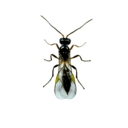
effective between 15 and 25°C (59 and 77°F). The effectivity is reduced at temperatures above 28°C/82°F. Behaviour of the parasitic wasp Aphidius matricariae
is. ‘The predatory mite is extremely effective and resistant to high temperatures. It makes short work of thrips and whitefly and also tackles spider mite [...] variety of circumstances. Think of factors such as humidity, day length and temperature range that play a role in determining whether a biocontrol agent is effective