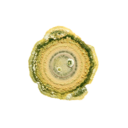
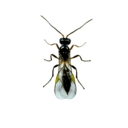
General The diamond back moth (Plutella xylostella) belongs to the family of Plutellidae . It only attacks Brassicaceae species, including cruciferous weeds. The diamond back moth (Plutella xylostella
General The cabbage moth (Mamestra brassicae) is a highly polyphagous defoliator. Besides being a major cabbage pest, it feeds on 70 plants of 22 families, among them crops such as sweet pepper, tomat
General The black vine weevil, Otiorhynchus sulcatus, is a pest in many ornamental crops (e.g. rhododendron, cyclamen and azalea), as well as in strawberries and other fruit crops in both temperate an
General Impatiens thrips (Echinothrips americanus) is an increasing problem in greenhouse cultivation, having spread to many countries within the last 30 years. The thrips have mostly been able to spr
their orchards against pests – a living, natural solution for their fruit. Koppert has been producing nematodes for horticultural purposes since 1986 and they
longispinus ) The natural enemy Cryptolaemus montriouzieri is available at Koppert as Cryptobug and Cryptobug-L . Mealybug species Citrus mealybug Long-tailed
adjuvant and/or an anti-desiccant/humectant can be beneficial. Ask your Koppert representative/distributor for more information Spray in the evening (or
General The golden twin-spot moth or tomato looper ( Chrysodeixis chalcites ) belongs to the family of Noctuidae . It is a tropical and subtropical species originating in the Mediterranean and norther
General Stable flies belong to the genus Stomoxys , Latin for “sharp mouth”; a fitting moniker, as these flies are the only members of the Muscidae family that feed on mammalian blood (particularly ca
General The broad mite (Polyphagotarsonemus latus) occurs in the tropics and in greenhouses in temperate regions. The broad mite (Polyphagotarsonemus latus) has a wide range of host plants, especially