About The blackberry is an edible fruit that originates from a wide range of species belonging to the genus Rubus that is part of the family of Rosaceae , but also from hybrids within the Rubus subgen
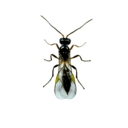
Sachets already have an exit hole. Place sachets in sheltered positions on the crop (no direct sunlight). Measures improving the moisture balance in the sachets [...] contains grain mites and bran. These mites might cause slight damage to some crops, especially with a large number of mites and high humidity. Therefore consult [...] have a very short life expectancy and therefore need to be introduced to the crop as soon as possible after receipt. Failure to do so can have a negative impact
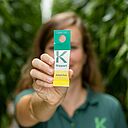
Supplementing a well-balanced crop nutrition program. More information Crops See product label for the full list of crops. Availability NodoKare™ is registered [...] plant establishment and development, improves plant vigor, and maximizes crop potential during periods of stress. Pack size 2.55 gal Presentation Liquid
Mushroom A mushroom, or toadstool, is the fleshy, spore-bearing fruiting body of a fungus, typically produced above ground on soil or on its food source. Edible mushrooms are the fleshy and edible fru
white or purple leaves. This plant is usually grown as an annual vegetable crop for consumption. Cabbage heads come in various sizes and their weight usually
mallow family Malvaceae . Cultivation conditions for this important cash crop require plenty of sunshine (no frost), moderate rainfall (60-120 cm), and
About Corn or maize ( Zea mays subsp. mays ), is a large grain plant that divided in six main types: flint corn, dent corn, popcorn, pod corn, sweet corn and flour corn. Already about 10,000 years ago
About Herbs are actually all plants which are used as food ingredient, natural medicine or fragrances. They often have savory or aromatic characteristics and are used for flavouring dishes or food pro
About Lettuce (Lactuca sativa) belongs to the daisy family, Asteraceae. It is a hardy annual that is easy to cultivate and most often grown for its leaves. It is, however, often plagued on by a number