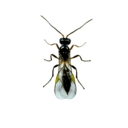
damaging pest in crucifers, their favourite host, it can also be found in crops such as tomato, pepper, some cucurbits, soybean, sesame and cotton. One of
About Used for lawns and sports fields, such as stadiums, golf courses, horse-racing tracks, athletic grounds, cricket pitches and football fields, turf provides the perfect base for a wide variety of
Pests Young larvae of various thrips species. Crops Do not use in tomato. Mode of action Predatory mites use their piercing mouthparts to extract the contents [...] Airbug or Natutec Airobug Dosage The dosage of Thripex-V depends on climate, crop and pest density and should always be adjusted to the particular situation [...] situation. Start introduction as soon as the first pest mites are detected in the crop. Introduction rates typically range from 50-500 per m 2 /release. Releases
Make sure not to touch the pupae during handling Suspend the cards in the crop, if possible approximately 75 cm under the plant head Avoid hanging cards [...] exposed to direct sunlight Dosage The dosage of En-Strip depends on climate, crop and whitefly density and should always be adjusted to the particular situation [...] situation. Start introduction preventively soon after planting of the crop. Introduction rates typically range from 1-10 per m 2 /release. Releases should
Carrier None. Application Open the bottle and position it straight in the crop (on the slab or directly on the ground). Make sure the bottle does not fall [...] for at least two weeks. Dosage The dosage of Spidend depends on climate, crop and spider mite density and should always be adjusted to the particular situation [...] Start introduction as soon as the first spider mites are detected in the crop. Introduction rates typically range from 0.25-25 per m 2 /release. Releases
Control? Aphids and How to Protect Your Crop Insight to the Production of Nematodes Infestation Levels in Tomato Crops: A Look at the Top Four Fungi and Bacteria [...] of disease, improves growth, and results in a stronger and more resilient crop. And which grower wouldn't want that? Tomato Disease Top 10 Topped by mildew [...] for the fungus to get a hold. It’s a sinister interaction. Essentially, a crop is an ecosystem in which all living organisms interact. We capitalize on
in achieving optimal pollination results for tomato crops. If you are seeking to optimize your crop's pollination process and achieve exceptional yields [...] care, and prompt action against potential risks contribute to a healthy crop and improved pollination outcomes. Positioning and visibility of hives To [...] such a way that the hive exits point in different directions, away from the crop. This arrangement allows for efficient movement and prevents overcrowding
Onions are a common crop worldwide, but their cultivation is often challenged by onion fly ( Delia antiqua ). The larvae of the onion fly can cause significant [...] from one plant to another, increasing the risk of widespread infestation and crop losses. An onion fly infestation can result in significant economic losses [...] with beneficial nematodes , he is convinced it was crucial in saving his crop from onion fly damage. This year, he has proactively treated all his onions
they do much better in a crop with their favorite food. Storage advice If you can’t release the predatory mites in your crop immediately, you can store [...] have a short lifespan. That’s why it’s important to release them into your crop as soon as possible after receipt so they can complete their task and reproduce [...] again and become active. Be quick It’s important to release them into the crop as soon as possible. After all, the predatory mites have to spend their short
ulmi ); citrus red mite ( Panonychus citri ); other spider mite species. Crops Do not use in tomato. Mode of action Predatory mites use their piercing [...] Airbug or Natutec Airobug Dosage The dosage of Spical depends on climate, crop and pest density and should always be adjusted to the particular situation [...] situation. Start introduction as soon as the first pest mites are detected in the crop. Introduction rates typically range from 25-125 per m 2 /release. Releases