Pests All species/stages of aphids . Mode of action Adult gall midges emerge from the pupae and deposit their eggs in the aphid colonies. After emerging from the eggs the larvae consume the aphids . V
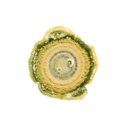
Trianum-G is a preventive biofungicide for control of soilborne plant pathogens and plant root diseases. Trichoderma harzianum strain T-22 when applied as an inoculant to soil, planting mixes or turf,
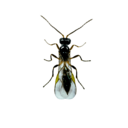
Pests Especially for cotton aphid ( Aphis gossypii ) ; tobacco aphid ( Myzus persicae var. nicotianae ); peach-potato aphid ( Myzus persicae var. persicae ). Mode of action Adult parasitic wasps emerg
Pests Especially for potato aphid ( Macrosiphum euphorbiae ) and glasshouse potato aphid ( Aulacorthum solani ). Ervipar also parasitizes tobacco aphid ( Myzus persicae var. nicotianae ). Mode of acti
Use Horiver Wetstick for trapping and monitoring of different flying insects. Pests Yellow: whitefly , thrips , fungus gnats, leaf miners Blue: thrips Black: Tuta absoluta Red: Drosophila suzukii Whit
The predatory mite Stratiolaelaps scimitus is also known under the scientific name Hypoaspis miles . It is a soil-dwelling predatory mite occurring naturally in several parts of the world. This predat
The predatory mite Neoseiulus californicus (previously Amblyseius californicus) is commonly used for biological pest control of spider mites . Although Neoseiulus californicus prefers spider mites it
The predatory mite Neoseiulus cucumeris (also called Amblyseius cucumeris ) is widely used for the biological control of thrips in greenhouse crops. These predatory mites feed mostly on first instar t
The predatory mite Phytoseiulus persimilis is by far the most important natural enemy of Two-spotted spider mite (Tetranychus urticae) and has been used in many crops worldwide, mainly in greenhouses,
Amblyseius swirskii is a species of predatory mite widely employed for biological pest control in agriculture. The predatory mite is an excellent biocontrol agent of thrips and whiteflies. Amblyseius