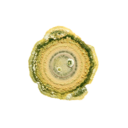
effective against these pests. The company therefore sprays a product of natural origin, such as Mycotal, twice a year, in the spring and in the autumn.
prey. Once they have found a host insect, they penetrate it through its natural body openings or skin. The nematodes then release the pathogenic bacteria
cats, pollen, and dust mites, it is also possible to be allergic to the natural substances in predatory mites , feeder mites, and supplementary feeding
yields. It is also tank compatible with conventional products. Isarid™ is a naturally occurring insecticidal fungus that’s safe to use around most beneficial
Congratulations to Koppert Canada As our northern Partners with Nature, Koppert US wants to congratulate Koppert Canada on their great successes of the
the difference between honeybees and bumblebees? In terms of their strong natural pollination qualities, bumblebees and honeybees complement each other well [...] nest and the cycle will continue. The old queen and her nest will decline naturally in late autumn. Do bumblebees produce honey? No. Although bumblebees store
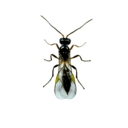
Pests Especially for cotton aphid ( Aphis gossypii) ; tobacco aphid ( Myzus persicae var. nicotianae ); peach-potato aphid ( Myzus persicae var. persicae ). Mode of action Adult parasitic wasps emerge
the plant that likes nitrogen; it's a tasty snack for whitefly as well. Naturally, this will increase the size of the whitefly infestation. In short, ni
In Partnership with Nature Under the cloud of a global pandemic and changing climate, crop resilience has become a vital factor in our struggle to produce [...] population while changing food production systems to ease the pressure on our natural environment and other finite resources? In the search for answers, Koppert
can actively hunt! Once they have found a host insect, they penetrate its natural body openings. The nematodes then release pathogenic bacteria they carry [...] seed fly larvae. Once they locate a larva, the nematodes enter it through natural body openings. Inside the larva, the nematodes release symbiotic bacteria