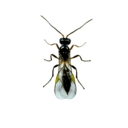
Biological control of aphids Aphids are among the most harmful pests in greenhouse and field crops, causing plant stress, virus transmission and yield loss. Effective aphid control is essential for ma
Pests Larvae of various thrips species (first and second larval stages), including Scirtothrips dorsalis and Thrips parvispinus ; eggs and larvae of greenhouse whitefly ( Trialeurodes vaporariorum ) a
General The tobacco aphid ( Myzus persicae subsp. nicotianae ) probably evolved from the peach potato aphid in the Far East and is a key pest of tobacco crops in both the United States and South Ameri
General The southern European marshland pyralid or European pepper moth (Duponchelia fovealis) is a polyphagous species feeding on a wide range of hosts from 38 plant families. They include ornamental
Integrated pest management in blueberry Integrated pest management (IPM) plays a vital role in blueberry crop protection , addressing the numerous pests and diseases that can impact the health and pro
What is Limonica Ulti-Mite? Limonica Ulti-Mite ( Amblydromalus limonicus ) is the first line of defense against emerging thrips species, including Scirtothrips dorsalis and Thrips parvispinus , as wel
From Plant Health to Profit NodoKare delivers consistent, reliable performance by offering three critical advantages that transform your ROI: Consistency NodoKare delivers reliable performance through
Acadian delivers consistent, reliable performance by offering three critical advantages that transform your ROI Powerful Acadian enhances plant resilience and productivity by strengthening stress tole
Two-spotted spider mite ( Tetranychus urticae ) and other Tetranychus spp., except Tetranychus evansi . Mode of action Predatory mites multiply in the sachet and disperse into the crop over a period o
Pests Young larvae of various thrips species. Also has an effect on eggs and larvae of whitefly , all stages of non-webbing spider mites (e.g. European red mite, Panonychus ulmi ) and rust mites. Crop