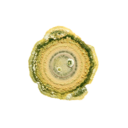
Pests Two spotted spider mite ( Tetranychus urticae ); European red mite ( Panonychus ulmi ); citrus red mite ( Panonychus citri ); other spider mite species. Crops Do not use in tomato . Mode of acti
Pests House fly ( Musca domestica ), biting stable flies ( Stomoxys spp.), lesser house fly ( Fannia canicularis ) and other Fannia spp. Mode of action When the adult parasitic wasps emerge from the p
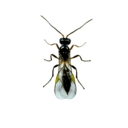
Pests Leaf miners ( Lyriomyza spp.). Mode of action Adult female parasitic wasps of Diglyphus isaea kill second and third instar leaf miner larvae in the mine and lay their eggs next to them. The eggs
Sportnem-T can be used for biological control of crane fly larvae, Noctuids, mole crickets and caterpillars in lawns. It is effective in a wide temperature range. Pests Larvae of crane flies (Tipulida
Quad pollination hives (containing four large bumblebee colonies) are developed for open-field crops, blossoming in spring. Crops Stone fruits, pome fruits, strawberry, blueberry. Mode of action After
Pests Young larvae of various thrips species and eggs and larvae of whitefly . Crops Do not use in tomato . Mode of action Predatory mites multiply in the sachet and disperse into the crop over a peri
For trapping whiteflies, thrips , leaf miner and fungus gnats in hot spots or places where high pressure can be expected, such as along gables, ventilation windows and (other) draughty places. Pests W
Pests Eggs, larvae and pupae of sciarid flies ; thrips pupae. Mode of action The predatory mites feed on larvae of sciarid flies , thrips pupae and other soil-dwelling insects. The mites appear in and
Scia-Rid can be used for biological control of fly larvae in mushroom cultivation. Pests Larvae of sciarid/mushroom fly ( Sciaridae ) and other species of flies (e.g. Phorid flies ). Mode of action Th
Pests Young larvae of various thrips species. Crops Do not use in tomato. Mode of action Predatory mites use their piercing mouthparts to extract the contents of their prey. Pack size 50,000 predatory