difficult to observe. Damage occurs in localized patches, because the mite spreads very slowly. Symptoms vary depending on the host plant and can resemble
surface remains undamaged. Young caterpillars are often found in groups, spreading out over the plant as they grow larger. As their size increases, so too
crop. Scattering is the best method of dispersal in the case of a rapidly spreading infestation. If the infestation builds up more slowly, slow-release sachets
cannot fly their dispersal ability is limited compared to many other insects. Spread over longer distances usually occurs with infested plant material. Because
right measures in these hotspots, you can prevent the infestation from spreading to the rest of your organization. It’s only likely to be a real challenge
time! The temperature in particular determines how quickly the problem spreads: the higher the temperature it is, the more active the thrips are and the
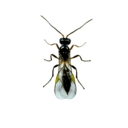
parasitic wasp Aphidius matricariae is available in a bottle ( Aphipar-M ). Spread the material on rock wool slabs or in Diboxes Make sure the material remains
mummies near infested plants, because Aphelinus abdominalis is not very mobile Spread material on rock wool slabs or in application boxes ( Dibox ) Make sure
from whitefly Help, whitefly! Now what? What is Biological Control? The Spread of Whitefly
for using this predatory mite: these natural enemies have recently been spread by drone over the vast strawberry fields of California. Hairs limit the