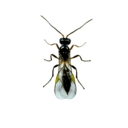
between 20 and 28°C (68 and 82°F). A. andersoni is sensitive to relative humidity below 65%. Combined use Can be combined with Orius spp. Do not combine
temperatures below 18°C/64°F. Amblyseius swirskii is sensitive to relative humidity below 60%. Combined use Can be combined with Orius spp. and whitefly p
the small nematodes wriggling inside the caterpillar. Infected larvae in a humid environment can quickly become slimy. After that, you will not see them again
so at home in a warm greenhouse. Other factors also play a role, such as humidity and the type of crop. An additional point is that western flower thrips
problems that can affect yield and quality. Management of temperature, humidity, and radiation is therefore essential for both plant and pollinator. The
growth and health. Their optimal functioning depends on factors such as humidity, available food sources, pH, and the absence of toxic substances. Plant
nematodes to work for several hours within the optimal range of temperature and humidity, as described above
useful back-up as it is less sensitive to chemicals, tolerates a lower humidity and has the ability to feed on multiple pests such as thrips and cyclamen