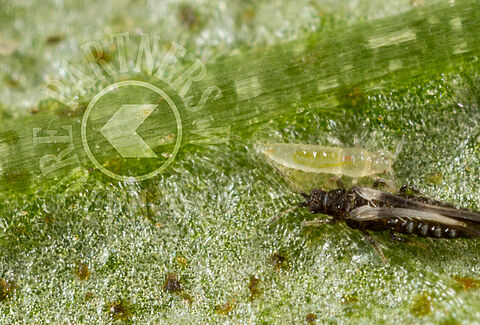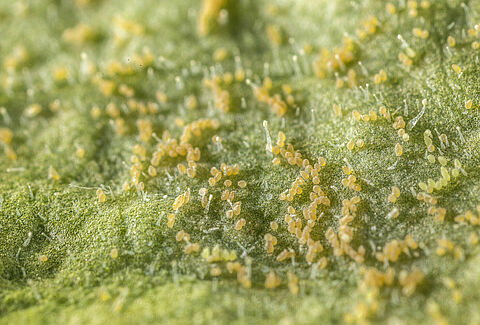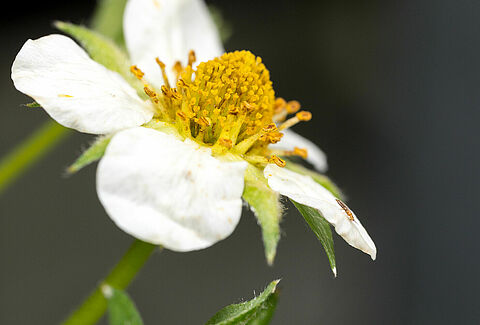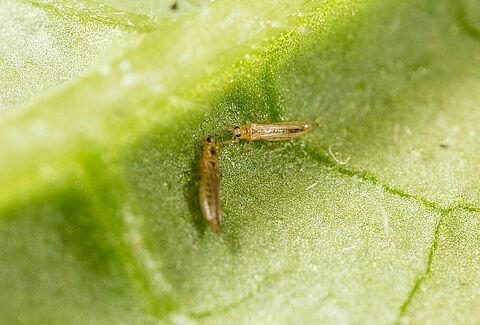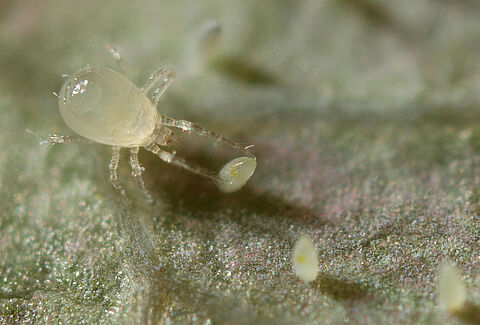
Throughout this series, we have explored how the emergence of invasive pests such as Thrips parvispinus is reshaping the way growers approach Integrated Pest Management (IPM). We have also seen that successful preventive strategies depend heavily on the ability of natural enemies to establish, reproduce, and remain active within the crop.
But where do biological solutions capable of meeting these new challenges come from?
The answer begins long before today's emerging pests appeared on growers' radar. In fact, it started more than three decades ago with a small predatory mite that has become one of the most promising biological control tools for high-value crops: Amblydromalus limonicus.
The Discovery of an Exceptional Predator
The story of Amblydromalus limonicus at Koppert began in 1991, when the species was first collected and reared under experimental conditions. From the very beginning, researchers recognized several remarkable biological traits:
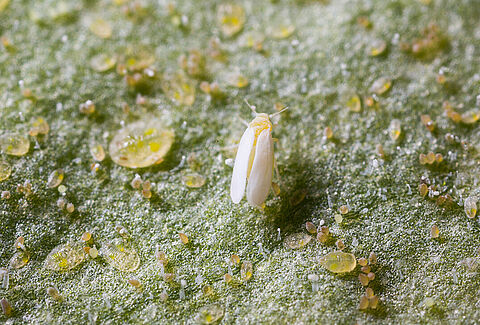
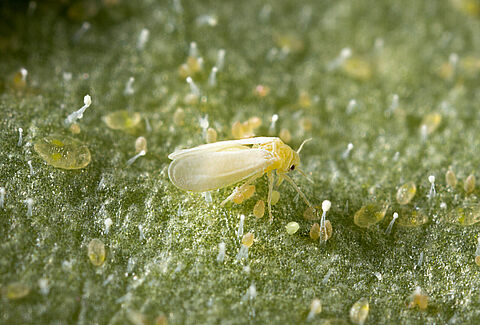
- Highly voracious: Capable of feeding on a wide range of prey, including thrips and whiteflies in their early developmental stages.
- Rapid reproduction: Exceptional population growth potential.
- Excellent mobility: A strong ability to move throughout the crop canopy in search of prey.
However, there was a significant challenge.
The same characteristics that made A. limonicus biologically outstanding also made it one of the most difficult predatory mites to produce commercially. Its sensitivity to environmental conditions and demanding nutritional requirements required decades of dedicated research, refinement, and innovation.
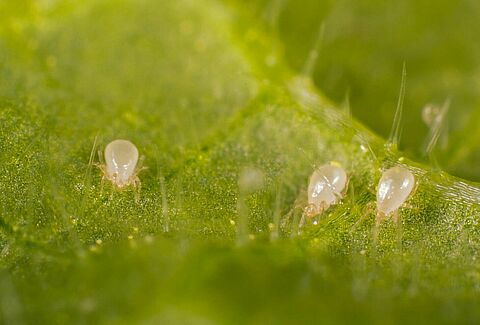
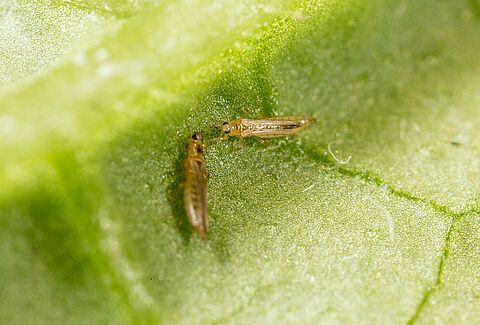
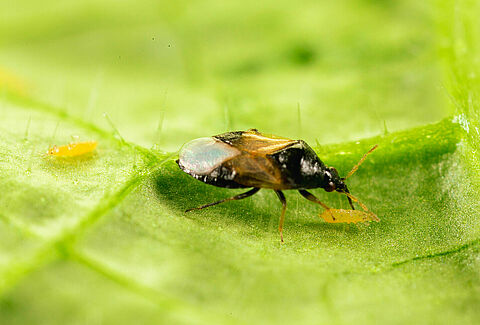
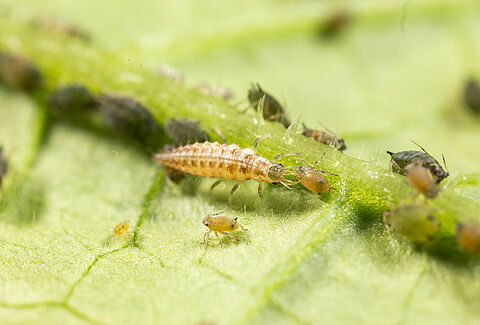
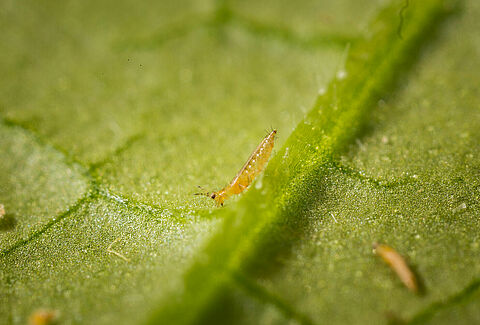
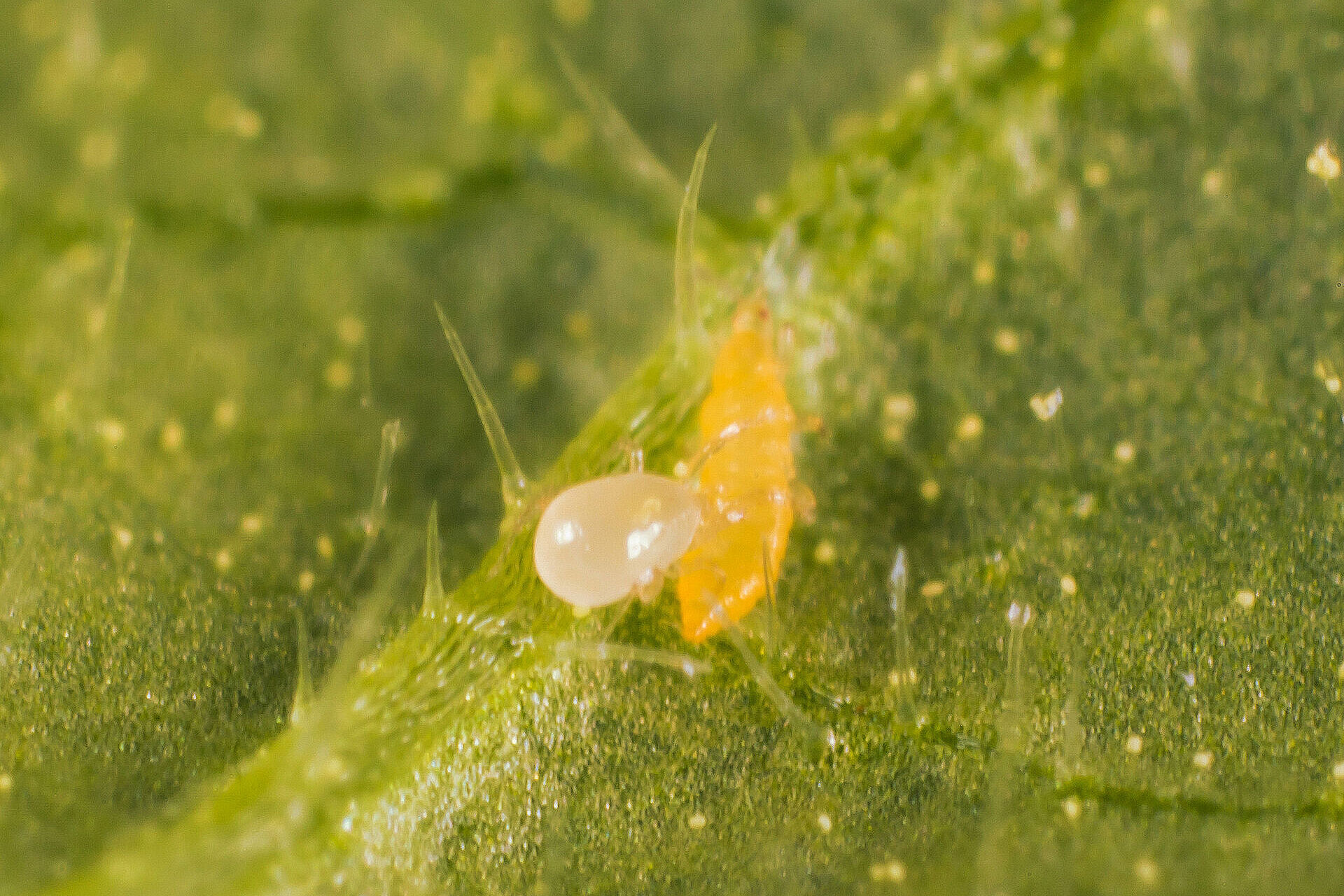 Amblydromalus limonicus demonstrating its highly voracious nature as it actively hunts and feeds on a thrips larva, a trait that caught researchers' attention over 30 years ago.
A Timeline of Biological Innovation
2012 – From Research to Commercial Reality
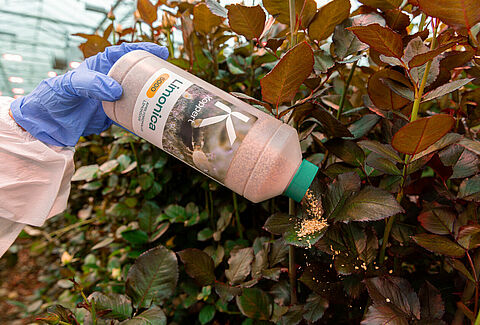
After more than two decades of research and development, Koppert successfully launched Limonica commercially. This milestone demonstrated that A. limonicus could provide effective pest control under real production conditions, although large-scale production was still limited.
2023 – Responding to the Rise of Invasive Thrips
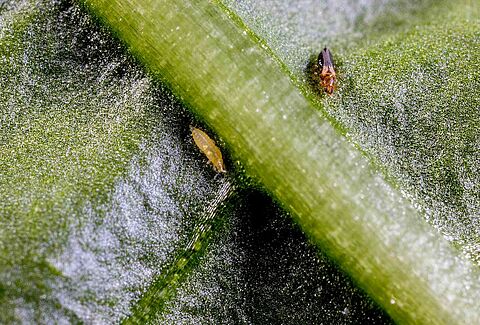
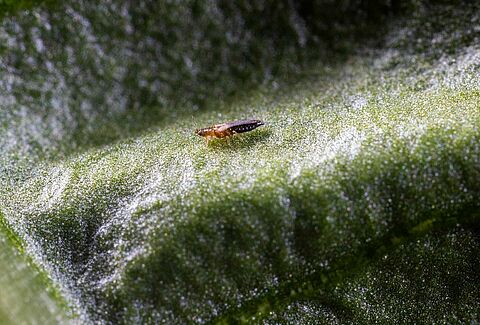
As invasive pests such as Thrips parvispinus and Scirtothrips spp. began spreading more aggressively, the demand for more effective biological solutions increased significantly.
At the same time, Koppert achieved important breakthroughs in the stability and quality of A. limonicus production systems, making it possible to scale up availability and respond to emerging market needs.
2025 – A Breakthrough in Production Capacity
Continuous innovation led to a major milestone: doubling the concentration of the product and reaching formulations containing 25,000 mites per bottle.
This achievement greatly improved product accessibility and helped bring one of the industry's most promising predatory mites to a growing number of growers worldwide.
2026 – The Union of Biology and Innovation
The next evolution came with the launch of Limonica Ulti-Mite, combining the biological power of Amblydromalus limonicus with Koppert's patented Ulti-Mite technology.
The Union of Biology and Innovation
The launch of Limonica Ulti-Mite represents a new chapter in biological control.
For the first time, the predatory power of Amblydromalus limonicus was combined with a slow-release aluminized sachet designed to function as a miniature biological factory, providing:
- An optimized microclimate: Protection against desiccation and environmental fluctuations.
- Continuous reproduction: Ongoing production of predatory mites within the sachet.
- Gradual release: A steady stream of beneficials into the crop over multiple weeks.
This approach helps support the establishment and persistence of beneficial populations where they matter most: inside the crop.
 Limonica Ulti-Mite: an innovation that complements the biological control of thrips and whiteflies. Photo: Koppert. All rights reserved.
More Than a Product: A Story of Applied Science
High-impact agricultural solutions are rarely the result of a single breakthrough.
Behind every effective biological control agent lies years of observation, field trials, production improvements, and scientific innovation aimed at solving real-world grower challenges.
What began in 1991 as the collection of a small predatory mite has evolved into one of the industry's most advanced biological tools for helping growers manage thrips and whiteflies more effectively.
And the story continues.
Want to Learn More About the Technology Behind It?
Don't miss our next article:
Limonica Ulti-Mite: A New Generation of Biological Control for Thrips and Whiteflies
Discover how the combination of Amblydromalus limonicus and Ulti-Mite technology is helping growers build stronger preventive IPM programs against some of today's most challenging pests.