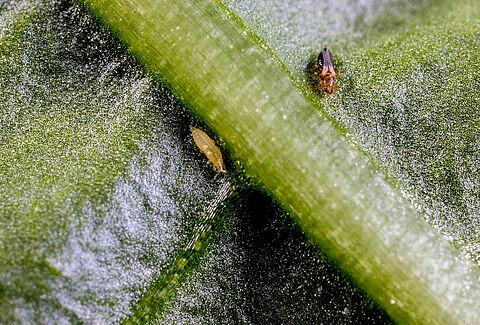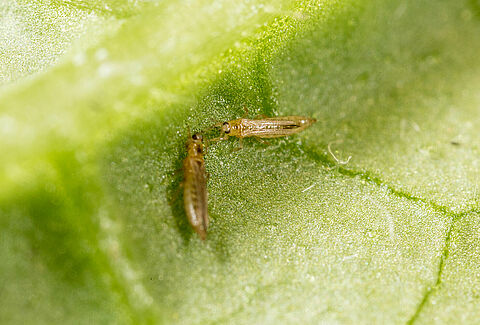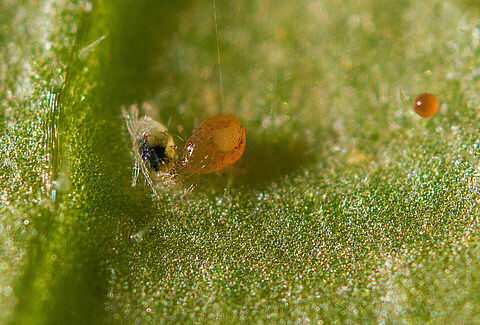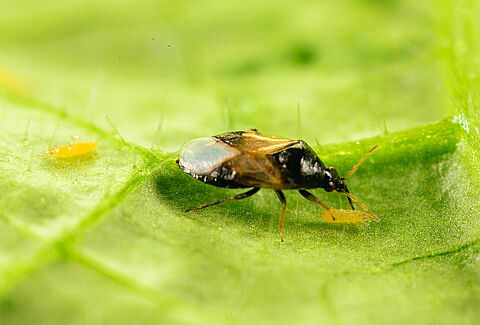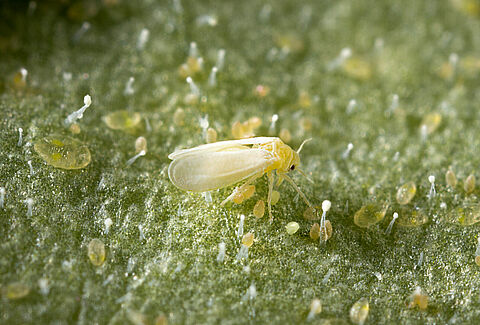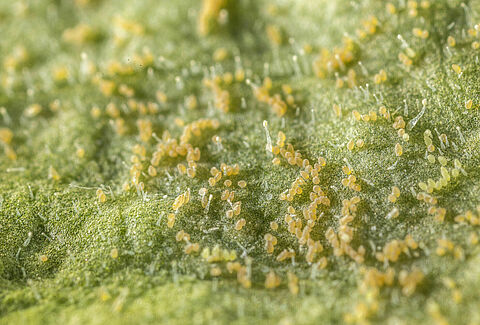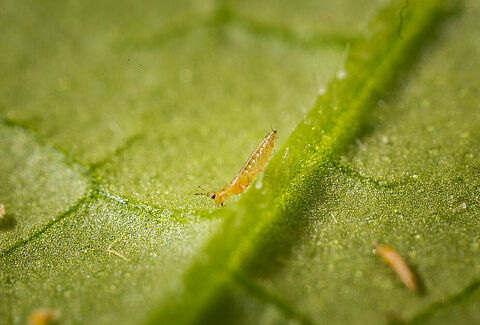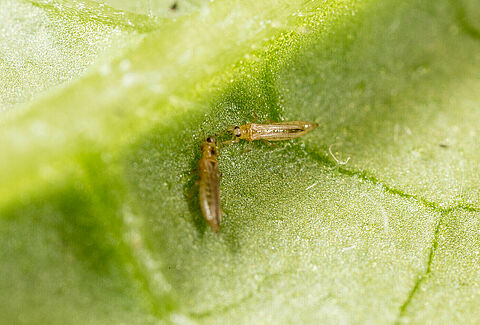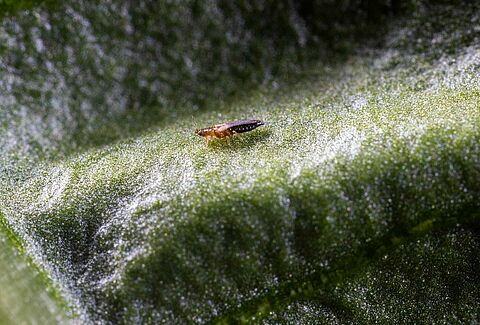
In recent years, growers have faced their share of pest challenges. Few, however, have generated as much concern as Thrips parvispinus, an invasive thrips species that is rapidly gaining attention among researchers, greenhouse growers, and crop consultants in the United States and around the world.
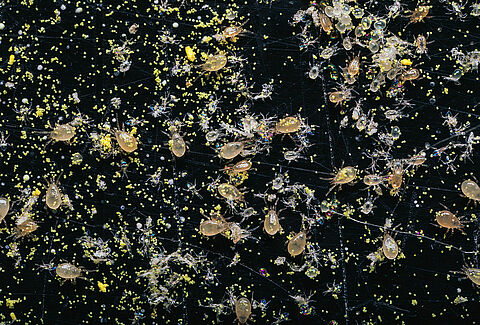
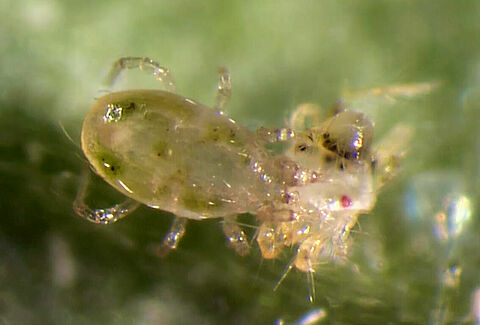
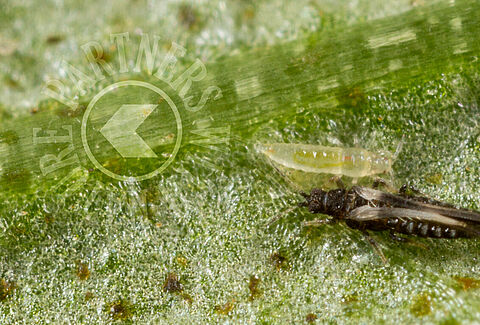
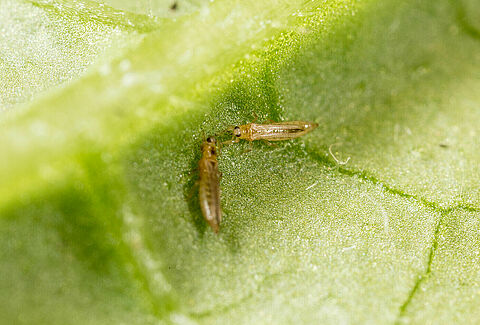
At barely a millimeter long, this tiny insect may seem insignificant at first glance. Yet its ability to reproduce quickly, remain hidden within plant tissues, and cause substantial crop damage makes it one of the most concerning emerging pests facing horticultural production today.
Unlike many pests that reveal themselves early through visible symptoms or large populations, T. parvispinus often becomes established before growers recognize the scope of the problem. By the time damage is visible, significant economic losses may already be underway.
Understanding how this pest behaves is the first step toward developing an effective Integrated Pest Management (IPM) strategy.
What Makes Thrips parvispinus Different?
At first glance, Thrips parvispinus may appear similar to other thrips species commonly found in vegetable and ornamental crops.
However, its biology and behavior present unique challenges:
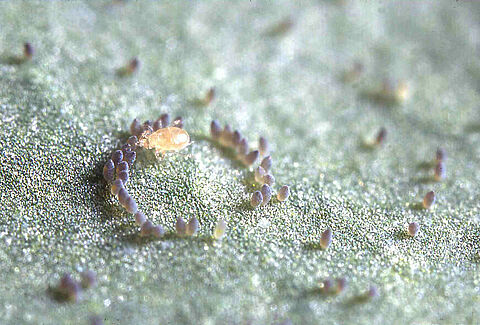
- Rapid population growth: Under warm conditions, T. parvispinus can complete its life cycle in approximately two weeks, allowing multiple generations to develop during a single growing season.
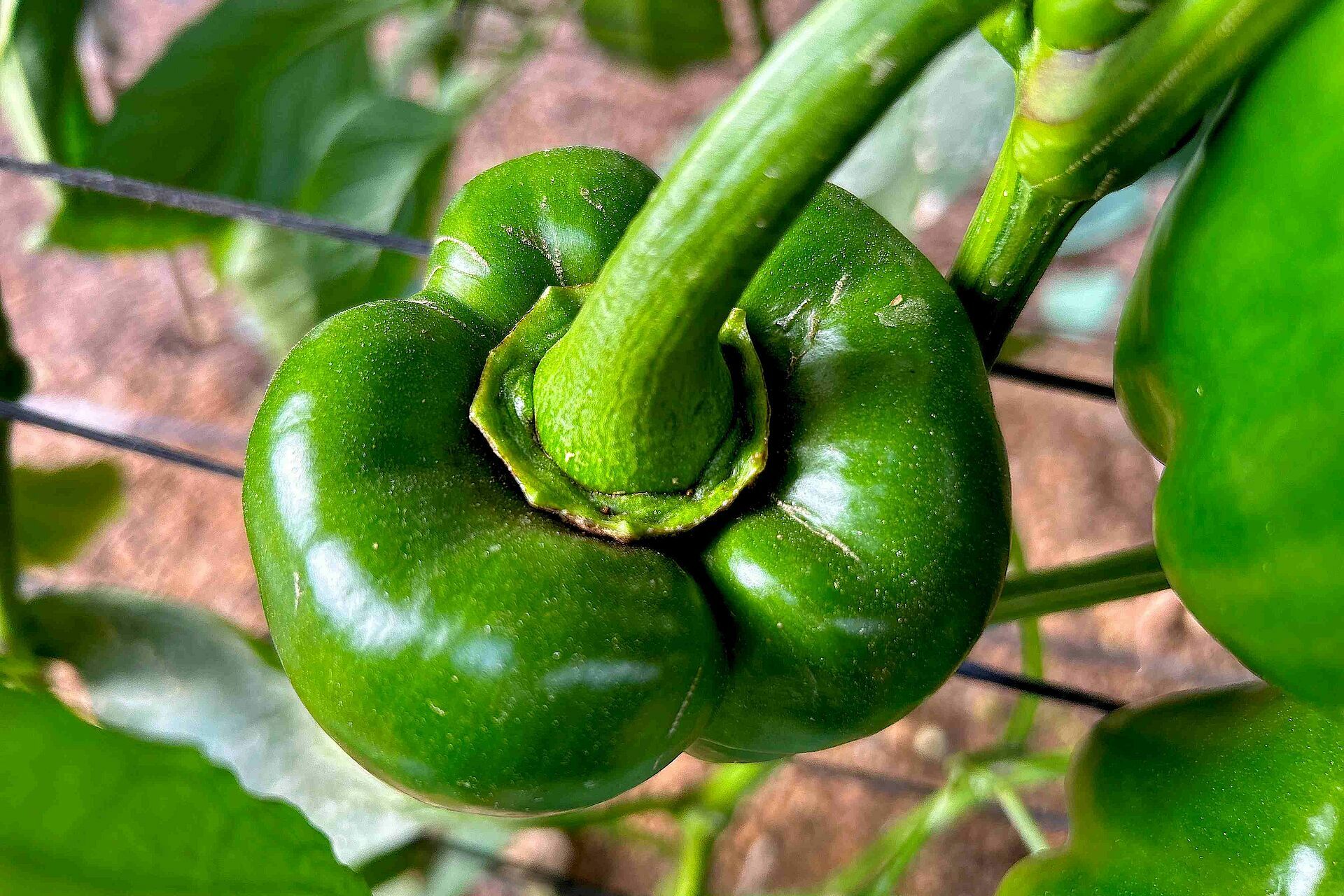
- Wide host range: Researchers have reported this species on numerous crops and ornamentals, including peppers, eggplant, papaya, mandevilla, gardenia, and many others.
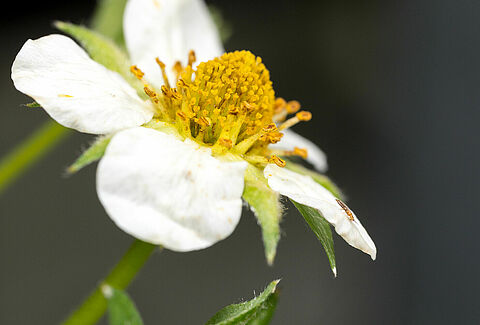
- Cryptic behavior: The pest frequently hides within flowers, developing tissues, and protected plant structures, making early detection difficult.
The result is a pest that can quickly turn a seemingly minor infestation into a significant management challenge.
Why Is It So Difficult to Detect?
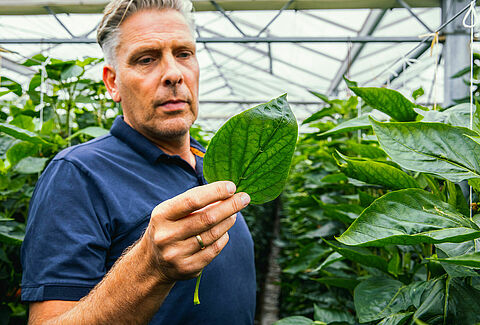
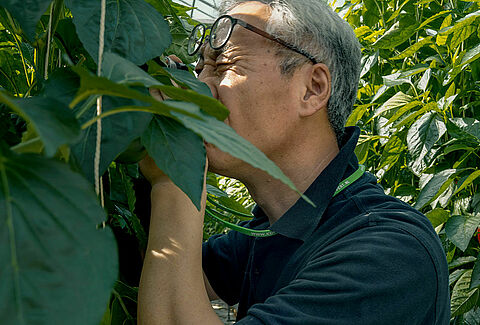
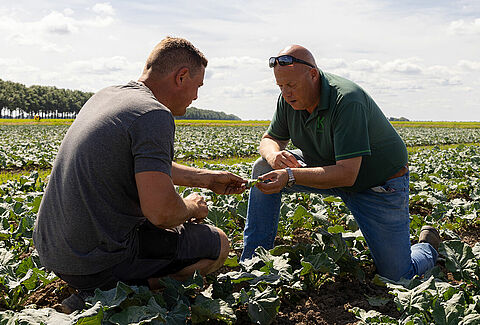
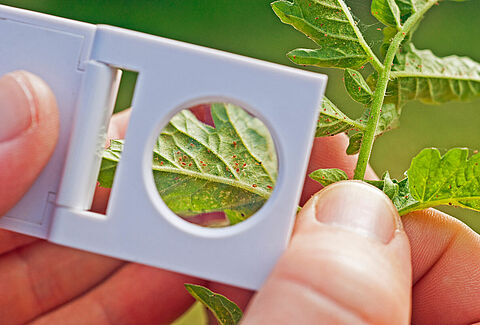
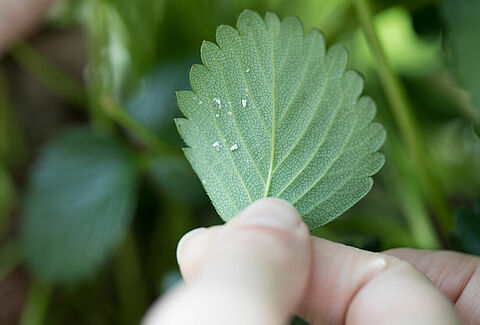
One of the biggest challenges associated with Thrips parvispinus is that infestations often remain unnoticed until damage becomes severe. Researchers have noted that the species frequently hides inside flowers and young plant tissues, where populations can build beyond the reach of routine scouting efforts.
This creates a dangerous situation. Growers may observe relatively low numbers during scouting while populations continue to grow elsewhere in the crop. In some cases, visual symptoms may appear only after the pest has already established itself and caused measurable damage.
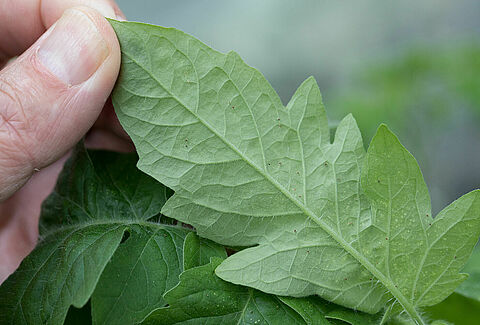
Adding to the challenge, plant injury caused by T. parvispinus can resemble damage caused by other thrips species or even broad mites, increasing the risk of misidentification. Accurate diagnosis is therefore critical to developing an effective management program.
The Impact on Crops
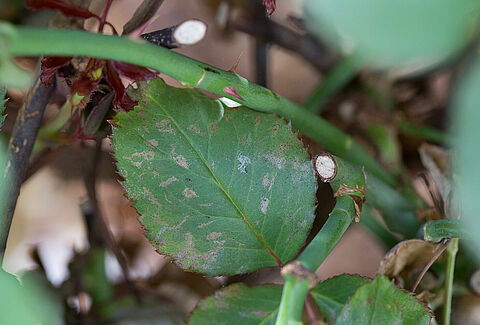
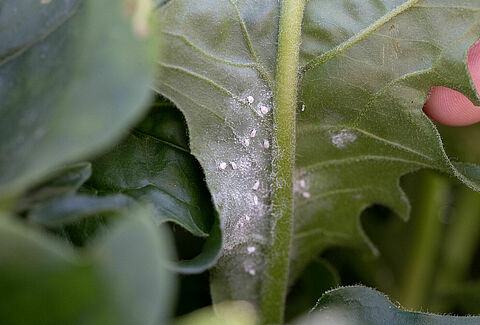
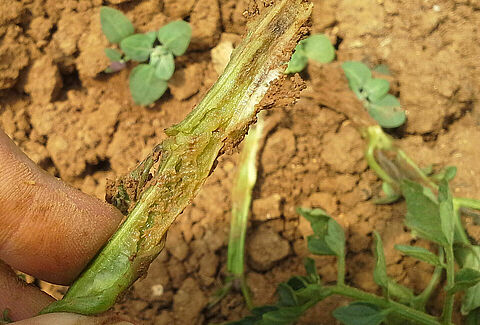
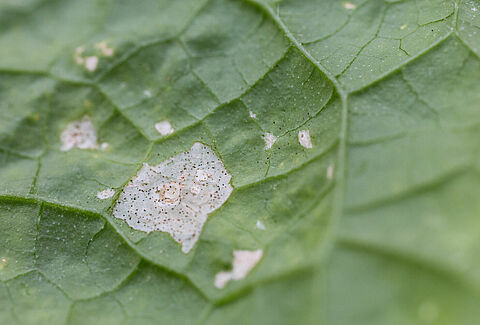
Like other thrips species, T. parvispinus feeds by piercing plant tissues and extracting cellular contents. As populations increase, growers may observe:
- Silvery feeding scars
- Bronzing of leaves
- Distorted growth
- Flower damage and drop
- Fruit scarring and cosmetic injury
- Reduced marketable yield and quality
Heavy infestations can significantly impact profitability by reducing both yield and marketable quality. For growers of high-value crops, even moderate levels of damage can translate into meaningful economic losses.
A Growing Challenge for IPM Programs
The emergence of Thrips parvispinus is forcing growers to rethink some traditional pest management assumptions.
Conventional scouting methods may underestimate the true size of the population. Reactive interventions often have a much narrower window for success because of the pest's rapid reproductive capacity. And the wide range of host plants allows populations to persist and move between production systems.
As this pest continues to expand its range, growers who invest in early detection and preventive IPM strategies will be better positioned to protect crop quality and profitability.
Because when it comes to Thrips parvispinus, the greatest threat is often the damage that occurs before you even realize it is there.
Coming Next
Why Is Thrips parvispinus Changing the Rules of the Game?
In the next article, we'll explore why this invasive pest is challenging traditional management strategies and what growers need to understand to stay ahead of the problem.