In agriculture, not all pests have the same impact on production systems. Some can be incorporated into existing management programs with only minor adjustments. Others force growers to rethink their entire approach. That is exactly what is happening with Thrips parvispinus.
Since its emergence in production regions around the world, this invasive thrips species has demonstrated characteristics that set it apart from the thrips species growers have traditionally managed. Beyond the direct damage it causes, what concerns researchers, crop consultants, and growers most is its ability to challenge many of the assumptions that have traditionally shaped Integrated Pest Management (IPM) programs.
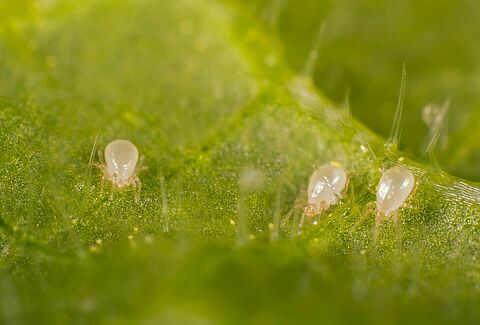
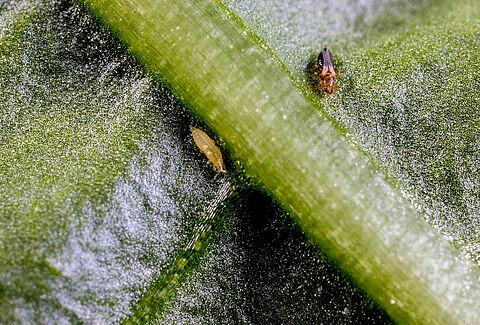
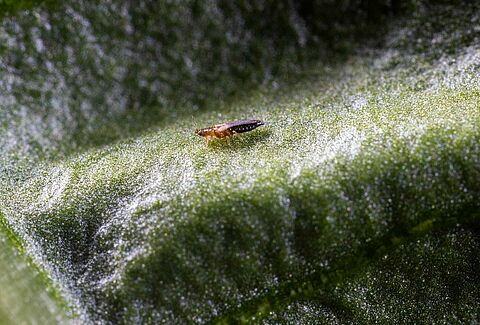
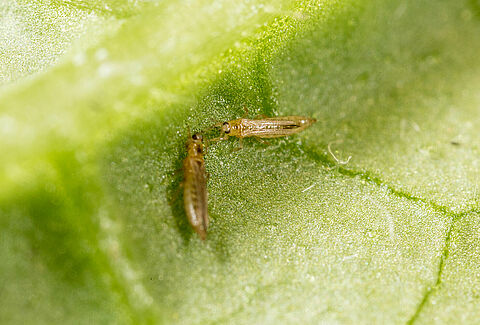
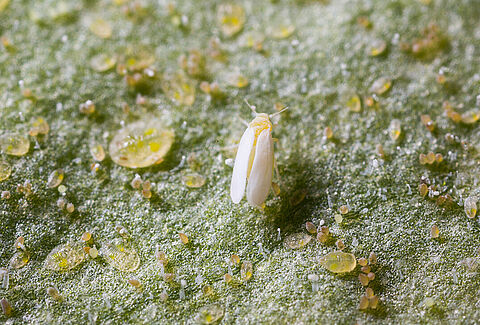
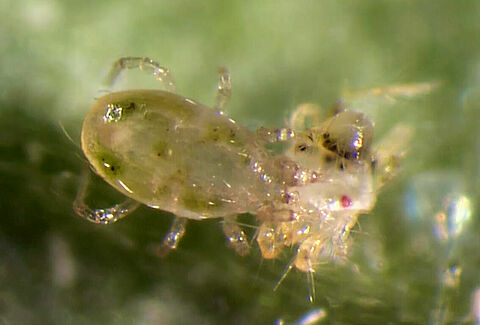
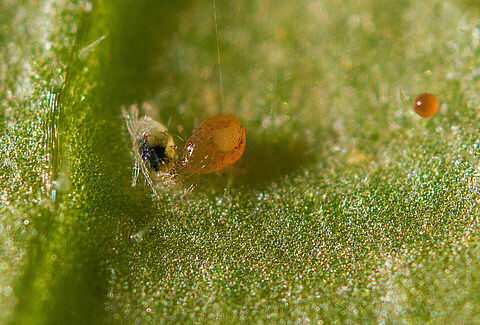
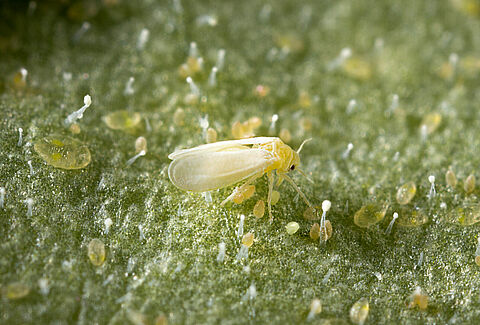
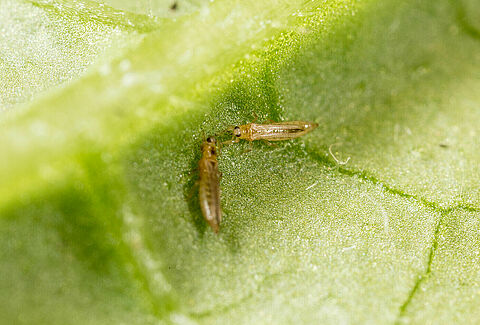
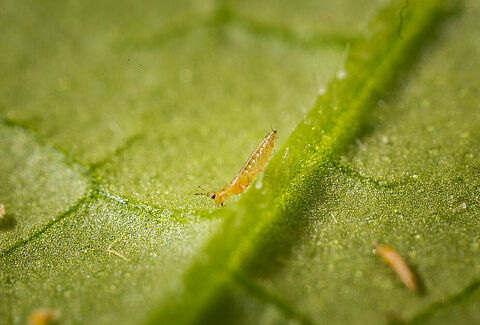
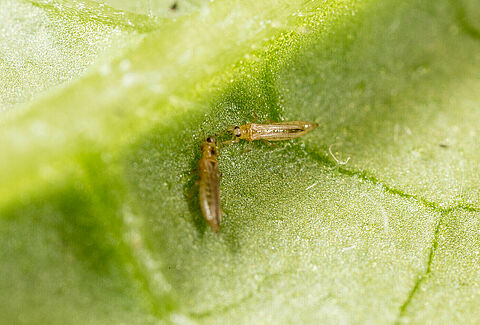
 Adult specimen of Thrips parvispinus, an emerging pest that challenges traditional Integrated Pest Management strategies. (Credit: Antonio Giménez, Koppert Spain)
A Different Kind of Thrips
For many years, IPM strategies for thrips were largely developed around species such as Frankliniella occidentalis, whose biology, crop distribution, and population dynamics became relatively predictable.
Thrips parvispinus presents a different scenario.
This species is highly polyphagous, feeding on a wide range of host plants and thriving in diverse production environments. Researchers have reported its presence on numerous vegetables and ornamentals, including peppers, eggplant, papaya, mandevilla, and gardenia, among many others.
Its rapid life cycle and high reproductive capacity allow populations to build quickly under favorable conditions. T. parvispinus can complete its life cycle in approximately two weeks, allowing multiple generations to develop during a single growing season.
Unlike some thrips species that are primarily associated with flowers, T. parvispinus can be found throughout the plant canopy, particularly on foliage and other protected tissues. This changes not only where growers need to scout, but also how they interpret pest pressure throughout the crop.
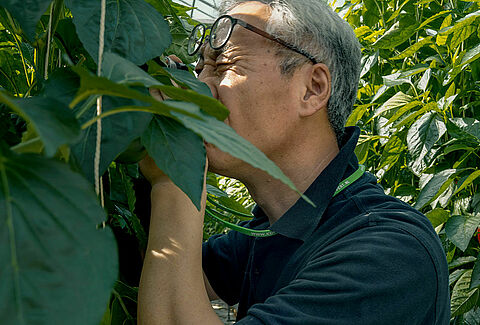
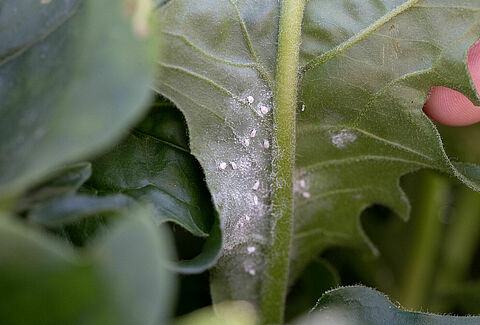
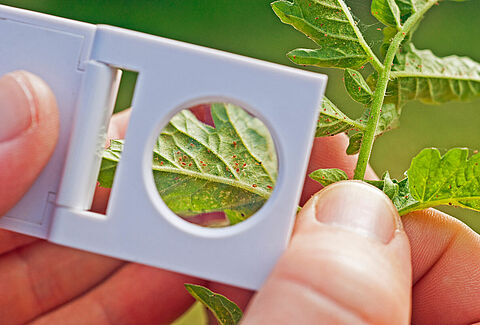
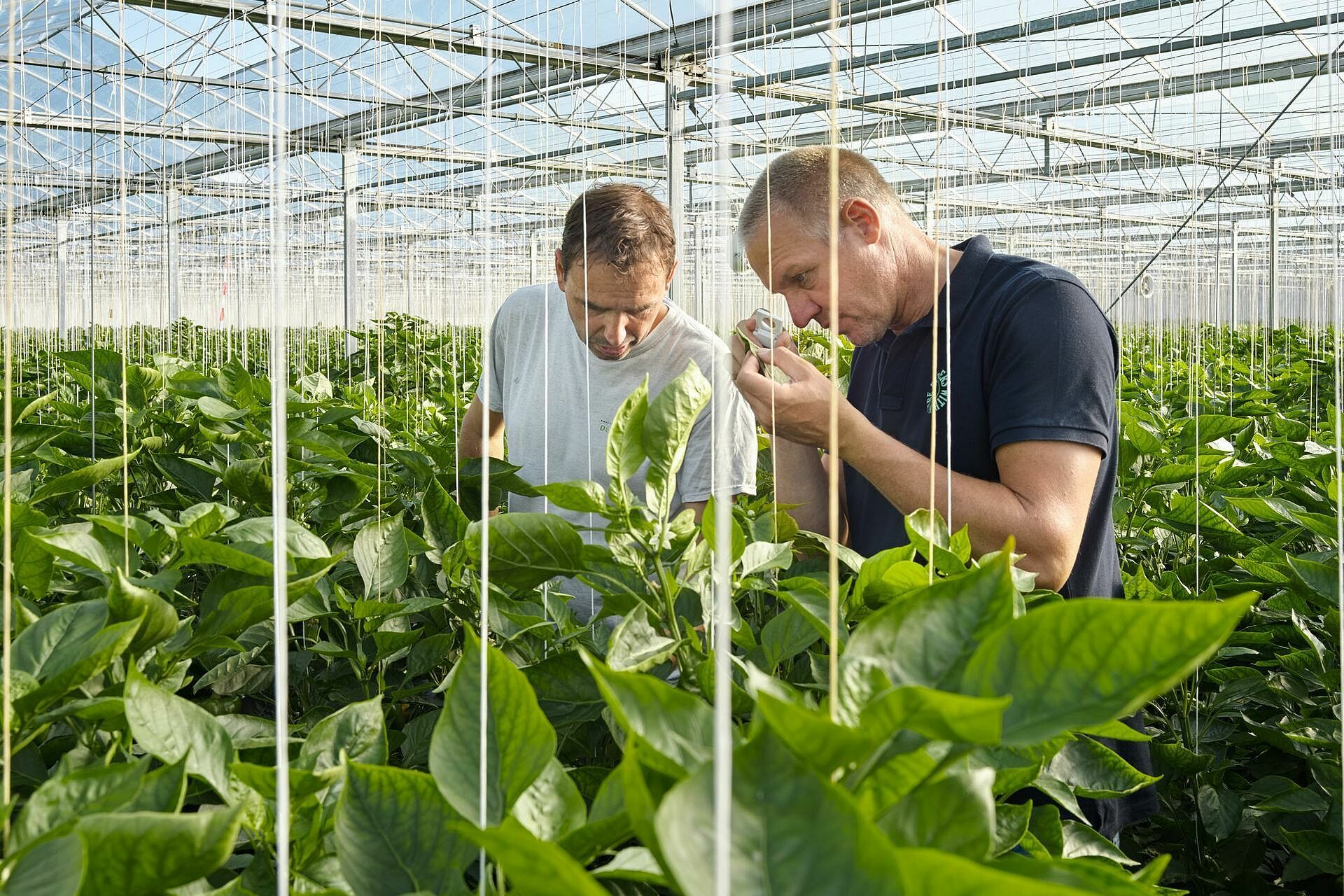 Routine scouting in a sweet pepper crop. Because of its cryptic behavior, detecting Thrips parvispinus requires close attention to flowers and protected areas. (Photo: Koppert)
When Scouting Doesn't Tell the Whole Story
One of the most important lessons growers are learning about Thrips parvispinus is that visible populations do not always reflect the true risk present in the crop.
Field observations and grower experiences have shown that relatively low thrips counts may still be associated with significant economic damage. In some situations, crop injury becomes noticeable only after populations have already become established.
Part of the challenge comes from the pest's cryptic behavior.
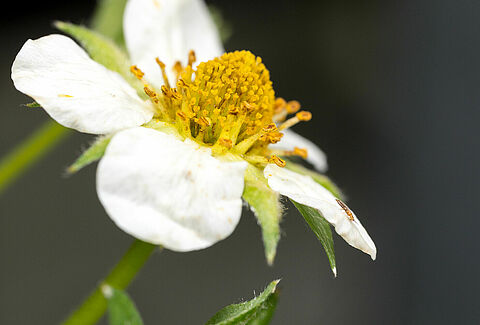
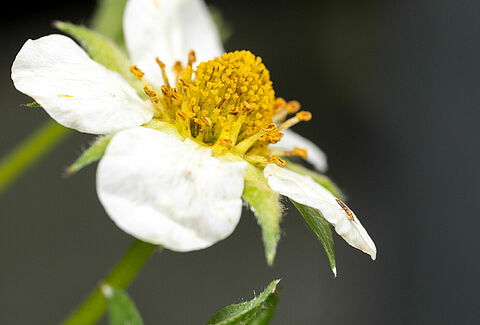
Thrips parvispinus frequently hides within flowers, developing tissues, and protected areas of the plant, making detection difficult during routine scouting activities. As a result, growers may underestimate the severity of an infestation and lose valuable time to intervene.
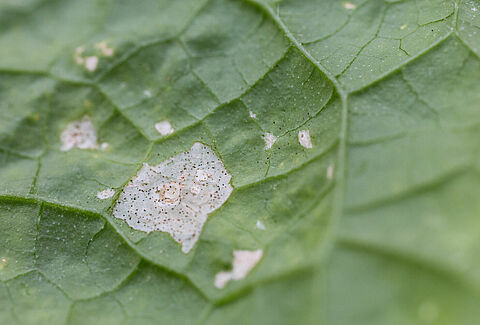
To make matters even more complicated, the damage can resemble injury caused by other thrips species or even broad mites, increasing the potential for misdiagnosis. Accurate identification therefore becomes a critical first step in any successful management strategy.
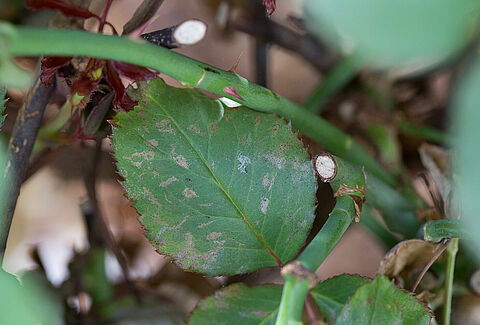
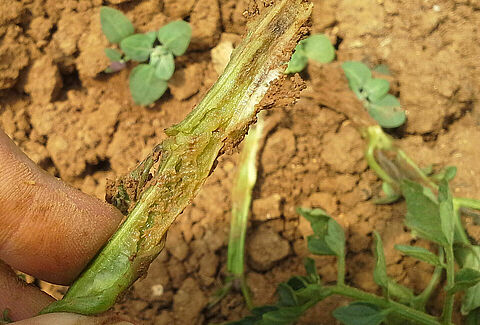
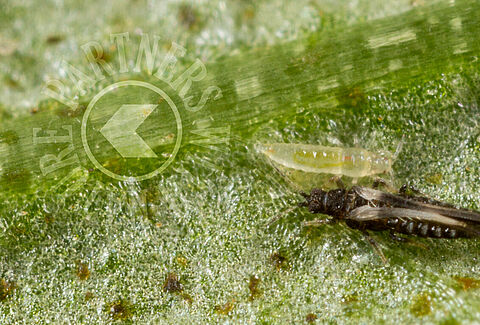
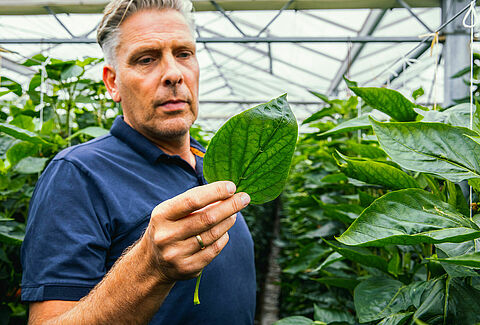
 Severe damage caused by Thrips parvispinus. By the time visible symptoms like these appear, significant economic loss may have already occurred. (Photo: Koppert)
The Challenge of Acting at the Right Time
Traditionally, pest management has often followed a reactive model:
Identify the pest. Assess the infestation level. Apply corrective measures.
For many pests, this approach can be effective.
For Thrips parvispinus, however, that window of opportunity can be much narrower.
The speed at which populations can become established and expand means that by the time symptoms are visible, a portion of the economic damage may already have occurred. Crop quality, marketability, and yield potential can all be affected before growers realize the full extent of the problem.
As a result, many IPM professionals are shifting their focus from reacting to infestations toward anticipating them.
The question is no longer:
"How do I respond once the pest is present?"
Instead, it has become:
"How do I prevent the pest from becoming established in the first place?"
A New Reality for IPM Programs
The expansion of Thrips parvispinus is driving an evolution in how growers think about Integrated Pest Management.
Successful IPM programs increasingly depend on a combination of:
- Early detection
- Accurate identification
- Preventive strategies
- Biological control
- Continuous scouting
- Long-term crop resilience
Researchers studying this pest emphasize an important reality: there is no single "silver bullet" solution for managing Thrips parvispinus. Effective programs require an integrated approach that combines multiple tools and tactics.
This does not mean that previous management strategies no longer have value.
Rather, it means growers are facing a pest with different biology, different behavior, and different management requirements.
When the rules change, continuing to rely on the same strategies is not always enough.
Coming Next
Why Are Some Thrips Management Strategies No Longer Enough?
In the next article, we'll explore why many traditional approaches struggle against Thrips parvispinus and why prevention is becoming one of the most important factors in protecting greenhouse and specialty crop profitability.