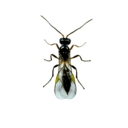
natural enemies such as predatory mites , ladybugs, and parasitic wasps are released to combat harmful insects, in the same way as they do in the wild. Koppert
pollinators are often lacking and, therefore, need to be compensated with the release of managed pollinators. Due to their structure, tomato flowers are not easily
sugars to the root system, stimulating the soil food web. This interaction releases essential minerals, enabling the formation of complete proteins crucial
become sexually mature. Soon after becoming an adult the females start to release a sex pheromone to attract males. Males generally fly only in the early
row were infested with 50 mobile spider mites (red stars). 50 Spidex were released on the first plant of each row (yellow star) a week later. Results: a larger [...] develop their eggs. As a result, they can immediately start laying eggs after release; whereas Spidex “regular” first needs to get its energy from spider mites
host insect, they penetrate its natural body openings. The nematodes then release pathogenic bacteria they carry with them. These actions kill and liquify
Thripex , in an overkill) keep thrips under control on the farm. Hendriks releases Montdorensis every week on half of his crop – the even rows one week, the
flies (e.g. Phorid flies ). Mode of action The nematodes enter the pest and release symbiotic bacteria into the pest's body cavity. These bacteria convert the
have specialized techniques, such as 'buzz pollination,' which effectively releases pollen from flowers. By integrating bumblebee hives into agricultural practices