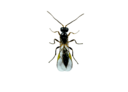
on plant sap and grow rapidly. When reproduction is sexual, the aphids lay eggs that overwinter. In greenhouses reproduction also takes place by parthenogenesis
Pests Young larvae of various thrips species. Also has an effect on eggs and larvae of whitefly , all stages of non-webbing spider mites (e.g. European
Thripex mini for biological pest control of various thrips species. Hatching eggs and larvae. Predatory mites also eat spider mites (i.e. strawberry mite,
Pests Young larvae of various thrips species and eggs and larvae of whitefly . Crops Do not use in tomato. Mode of action Predatory mites reproduce within
Pests Larvae of various species of thrips (first and second larval stages); eggs and larvae of greenhouse whitefly ( Trialeurodes vaporariorum ) and tobacco
Pests Young larvae of various thrips species and eggs and larvae of whitefly . Crops Do not use in tomato. Mode of action Predatory mites pierce their
other natural enemies like Aphytis melinus Rhyzobius lophanthae Eggs under armoured scale Egg to adult at 25°C: 29 days Adult 2,5 mm long and 1,8 mm wide
its ability to feed on larger larval instars, not just smaller instars or eggs. Even in cooler temperatures, it continues to feed on many kinds of thrips
the vulnerable seed emerging phase. In spring, adult bean seed flies lay eggs near host plants. Larvae hatch and tunnel into the soil, feeding on seeds