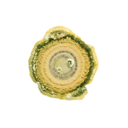
distinguishes them from insects that have six legs. Color: Spider mites can have a variety of colors, including green, yellow, red, brown, or black. Two-spotted
position over their body when at rest. Color: As their name suggests, whiteflies are usually white or pale yellow in color. This is due to the wax produced by [...] are called "whiteflies" because they are typically white or yellowish in color, and they are often found on the undersides of leaves. Whiteflies are not
a brownish head. In the last larval stage, they are 35 to 45 mm long. Coloration varies from grey to reddish or yellowish, with a median dorsal line bordered
tube-like structures called tubercles on their rear end. Color: Aphids can be a variety of colors, including green, yellow, black, brown, pink, or red, depending
spider mites are typically less than 1 millimeter in size, and range in color from pale yellow to green, brown, or red. They have eight legs and are closely [...] they become adults. At this stage, they are fully developed, and their coloration and appearance become more distinct. The adults continue feeding on the
Of particular note is the utilization of the 'Heatmap' feature, wherein colors on the company's map indicate the severity of the pest pressure. This feature
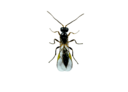
coriaria are typically light to dark-brown – in many cases al- most black – in color. The adult beetle can be anywhere between 3-4 mm. long. They have an elongated
larval stage before pupation, they can reach 1.4 mm. Pupae can range in color from yellowish to deep orange with dark spots. Eggs are laid in clusters
on plant foliage or near prey habitats. They are pale green or white in color and are attached to the substrate by a slender stalk. Larval stage: Green
Vital the predatory mites don`t get to eat spider mites, which cause the coloration of Spidex Vital. Does this Spidex Vital give an even better spider mite