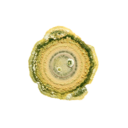
Steinernema carpocapsae nematodes Steinernema carpocapsae is a species of beneficial nematode commonly used in biological pest control . These microscopic roundworms are parasitic and are known for th
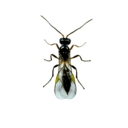
Heterorhabditis bacteriophora is a species of beneficial nematode commonly used in biological pest control . These microscopic roundworms are parasitic and are known for their effectiveness in control
Cucumber grower Kees Hendriks (Qcumber) explains how his plant protection strategy has moved from integrated to ‘almost’ biological, using fewer and fewer chemicals. He has been using Trianum for the
With production centers in San Quintín and Vizcaíno, Baja California, Rancho Los Pinos sets the standard for vegetable production, packing, and marketing in northwestern Mexico. Renowned for quality a
Don Sánchez Fresh is a producer of avocado, berries and other agricultural crops. Their successful experience with biological control of pests and diseases in crops such as raspberries, led them to ma
Trianum, Koppert's biological fungicide that contains the exclusive T-22 strain of Trichoderma harzianum , has achieved excellent results in pepper crops for processing in Portugal, a country where th
Wolterinck BV in Beltrum, the Netherlands, is a specialist in tree care and weed control and works on behalf of local authorities and governmental bodies. Co-owner and general director Ivo de Groot ha
In Dronten lies Koen's farm, where traditional and organic agriculture come together. Koen shares his personal experiences and insights about the future of agriculture, where traditional and organic p