Pests Young larvae of various thrips species. Also has an effect on eggs and larvae of whitefly , all stages of non-webbing spider mites (e.g. European red mite, Panonychus ulmi ) and rust mites. Crop
Pests Two-spotted spider mite ( Tetranychus urticae ) and other Tetranychus spp., except Tetranychus evansi . Mode of action Predatory mites multiply in the sachet and disperse into the crop over a pe
Capirel can be used for biological control of various insect pests in orchards, berries, outdoor vegetables and urban trees. Pests Fly larvae ( Diptera ): Sciarid flies ( Lycoriella spp., Bradysia spp
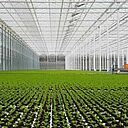
Rediscovering natural approaches to plant health Embracing biological pest control Over the years, biological pest control has proven effective in managing pests without the drawbacks of chemical pest
Predatory bugs Predatory bugs are beneficial insects crucial for natural pest control in agriculture. Equipped with piercing mouthparts, they actively hunt and feed on various harmful pests, helping t
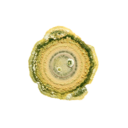
What is biological disease control? Biological control of plant diseases is a method used to manage and reduce the impact of plant diseases by utilizing beneficial organisms. This method relies on the
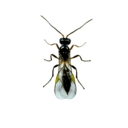
What are parasitic wasps? Parasitic wasps are small insects that play a crucial role in natural pest control. They are called "parasitic" because they lay their eggs inside or on harmful pest insects.
Natupol Excel is developed for crops with a high amount of flowers per m² (35-60 flowers) per week, and for crops grown under artificial light or in warmer environments. Crops Crops with >35 flowers/m
Amblyseius andersoni is a species of predatory mite and is used for biological pest control in horticulture and agriculture. These predatory mites are natural enemies of various pests like thrips , wh
Beneficial nematodes for pest control Nematodes for pest control, often referred to as entomopathogenic nematodes or beneficial nematodes, are microscopic roundworms that serve as natural agents for b