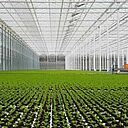
Biocontrol explained Biological pest control, often referred to as biocontrol, is a method of managing pests using natural predators, parasitoids, or pathogens. This approach partners with nature to m
Crop protection in agriculture Crop protection is the practice of protecting plants against pests, diseases, and harmful influences to ensure healthy growth and reliable harvests. It is essential in a
Pests Two-spotted spider mite ( Tetranychus urticae ) and other Tetranychus spp., except Tetranychus evansi . Mode of action Predatory mites multiply in the sachet and disperse into the crop over a pe
Capirel can be used for biological control of various insect pests in orchards, berries, outdoor vegetables and urban trees. Pests Fly larvae ( Diptera ): Sciarid flies ( Lycoriella spp., Bradysia spp
Natupol Excel is developed for crops with a high amount of flowers per m² (35-60 flowers) per week, and for crops grown under artificial light or in warmer environments. Crops Crops with >35 flowers/m
The predatory mite Stratiolaelaps scimitus is also known under the scientific name Hypoaspis miles . It is a soil-dwelling predatory mite occurring naturally in several parts of the world. This predat
The predatory mite Neoseiulus californicus (previously Amblyseius californicus) is commonly used for biological pest control of spider mites . Although Neoseiulus californicus prefers spider mites it
The predatory mite Neoseiulus cucumeris (also called Amblyseius cucumeris ) is widely used for the biological control of thrips in greenhouse crops. These predatory mites feed mostly on first instar t
The predatory mite Phytoseiulus persimilis is by far the most important natural enemy of Two-spotted spider mite (Tetranychus urticae) and has been used in many crops worldwide, mainly in greenhouses,
Amblyseius swirskii is a species of predatory mite widely employed for biological pest control in agriculture. The predatory mite is an excellent biocontrol agent of thrips and whiteflies. Amblyseius