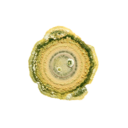
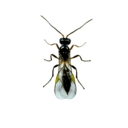
Pests Two-spotted spider mite ( Tetranychus urticae ); european red mite ( Panonychus ulmi ); citrus red mite ( Panonychus citri ); other spider mite species. Crops Do not use in tomato. Mode of actio
Use Horiver Wetstick for trapping and monitoring of different flying insects. Pests Yellow: whitefly , thrips , fungus gnats, leaf miners Blue: thrips Black: Tuta absoluta Red: Drosophila suzukii Whit
For trapping whiteflies, thrips , leaf miner and fungus gnats in hot spots or places where high pressure can be expected, such as along gables, ventilation windows and (other) draughty places. Pests W
Pests All stages of many mealybug species. Mode of action Adults and larvae consume the mealybugs completely. Visual effect Mealybugs are consumed entirely. Pack size 500 adults. Presentation Cardboar
Pests All stages of many mealybug species. Mode of action Larvae and adults consume the mealybug completely. Visual effect Mealybugs are consumed entirely. Pack size 1,000 larvae. Presentation 500 ml
Pests Especially for potato aphid ( Macrosiphum euphorbiae ) and glasshouse potato aphid ( Aulacorthum solani ). It also has an effect on the peach potato aphid ( Myzus persicae ) and other aphid spec
Entonem can be used for biological control of various insect pests in protected crops and urban greens. It is effective at low temperatures, thus can also be applied in colder parts of the season. Ent
Trianum-G is a preventive biofungicide for control of soilborne plant pathogens and plant root diseases. Trichoderma harzianum strain T-22 when applied as an inoculant to soil, planting mixes or turf,
Trichoderma harzianum Rifai strain T-22, which when applied to seeds, transplants or other propagative material, or to soil or planting mixes, grows onto plant roots as they develop and provides prote
Use the Natutec Airbug for the distribution of natural enemies in the crop. The Airbug can be used for both full-field distribution and for specific hot spots. Mode of action The innovative combinatio