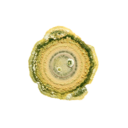
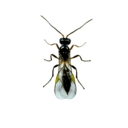
The bean seed fly ( Delia platura ), a common pest affecting a wide range of crops, can cause significant damage. However, beneficial nematodes offer an effective and environmentally friendly solution
Koppert One - Digital platform for biological crop protection Koppert One is your all-in-one digital platform designed to simplify and strengthen biological crop protection . By combining expert knowl
Control armoured scales in citrus and grapes with Rhyzobug In our continuous pursuit to help growers biologically control pests in their outdoor crops, we are excited to introduce the newest member to
Introduction to spider mite management Spider mites are a persistent problem in both agricultural and horticultural settings. These tiny arachnids feed on plant tissues, causing extensive damage that
Actively contributing to the world’s SDGs In 2015, the United Nations Sustainable Development Goals (SDGs) offered the world a blueprint towards achieving a better and more sustainable future for all.
Our people We aspire to create a workplace where people work with pleasure in a safe environment to achieve our mission. We prioritize developing and fulfilling our employees' talents and ambitions, e
Transparent, responsible and accountable We are committed to establishing clear responsibilities and accountabilities, fostering transparency, and instilling a culture of responsibility throughout our
Climate change mitigation At the core of our sustainability initiative lies a commitment to environmental stewardship. Recognizing the interconnectedness of ecosystems, we prioritize climate resilient
Future Forward - A path for a sustainable tomorrow At Koppert, sustainability isn’t just a concept, it is part of who we are. Since our foundation, we have been on a path to make a positive impact on