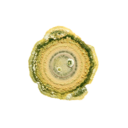
Pests Two-spotted spider mite ( Tetranychus urticae ) and other Tetranychus spp., except Tetranychus evansi . Mode of action Predatory mites use their piercing mouthparts to extract the contents of th
Pests Citrus mealybug ( Planococcus citri ); vine mealybug ( Planococcus ficus ). This product is only available in California Mode of action Adult female parasitic wasps parasitize the mealybugs , pa
When to use Use Thripex mini for biological pest control of various thrips species. Hatching eggs and larvae. Predatory mites also eat spider mites (i.e. strawberry mite, broad mite ), several other m
Rediscovering natural approaches to plant health Embracing biological pest control Over the years, biological pest control has proven effective in managing pests without the drawbacks of chemical pest
When to use Dibox Use a Dibox for the application of biological products when it is necessary to apply close to a hotspot. This mainly counts for parasitic wasps and products that are not available in
Predatory bugs Predatory bugs are beneficial insects crucial for natural pest control in agriculture. Equipped with piercing mouthparts, they actively hunt and feed on various harmful pests, helping t
What is biological disease control? Biological control of plant diseases is a method used to manage and reduce the impact of plant diseases by utilizing beneficial organisms. This method relies on the
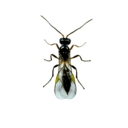
What are parasitic wasps? Parasitic wasps are small insects that play a crucial role in natural pest control. They are called "parasitic" because they lay their eggs inside or on harmful pest insects.
Amblyseius andersoni is a species of predatory mite and is used for biological pest control in horticulture and agriculture. These predatory mites are natural enemies of various pests like thrips , wh
Beneficial nematodes for pest control Nematodes for pest control, often referred to as entomopathogenic nematodes or beneficial nematodes, are microscopic roundworms that serve as natural agents for b