preventively or in infested areas and repeated at weekly intervals until control is achieved. Consult a Koppert advisor or a recognized distributor of Koppert
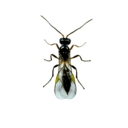
Releases should be repeated at least 3 times at weekly intervals or until control is achieved. At low temperatures ( Environmental conditions Diglyphus isaea
be repeated at least 3 times at weekly intervals, or until the pest is controlled. Consult a Koppert advisor or a recognized distributor of Koppert products
ium , Sclerotinia , Sclerotium , and Thielaviopsis . Pests Triario® WG controls plant pest nematodes, including soybean cyst nematode, Heterodera glycines
play an important role in the biological control of many pests. Even more for pests that are difficult to control and where chemicals fail or are simply [...] Various Beneficial nematodes A biological & effective solution to help control hazardous pests in agricultural crops While plant parasitic nematodes are [...] not mentioned in this document, it doesn’t necessarily mean it cannot be controlled by nematodes. Koppert is continuously researching new possibilities. Contact
characteristics. Shop now Koppert - A knowledge company The use of biological control is not a simple process, it has become a complex system in which many aspects
disease detection. Identifying pests and diseases early allows for targeted control measures, reducing the need for excessive pesticide use. This not only reduces
Releases should be repeated at least 3 times at weekly intervals or until control is achieved. Consult a Koppert advisor or a recognized distributor of Koppert
the crop. Release should be repeated after 4 weeks if the pest is not controlled. Consult a Koppert advisor or a recognized distributor of Koppert products
the crop. Release should be repeated after 5-6 weeks if the pest is not controlled. Consult a Koppert advisor or a recognized distributor of Koppert products