Pests Aphids and other pests, like mealybugs , Echinothrips and eggs of pest lepidoptera species . Mode of action Larvae of the lacewing attack their prey and suck their body fluids. Visual effect Pre
Pests Two-spotted spider mite ( Tetranychus urticae ) and other Tetranychus spp., except Tetranychus evansi . Mode of action Predatory mites use their piercing mouthparts to extract the contents of th
“The Airobreez has transformed our approach to biological crop protection ," says Tim from Labeau in the Netherlands. "Our greenhouse layout and equipment make using larger application devices for bio
Pests Citrus mealybug ( Planococcus citri ); vine mealybug ( Planococcus ficus ). This product is only available in California Mode of action Adult female parasitic wasps parasitize the mealybugs , pa
When to use Use Thripex mini for biological pest control of various thrips species. Hatching eggs and larvae. Predatory mites also eat spider mites (i.e. strawberry mite, broad mite ), several other m
When to use Dibox Use a Dibox for the application of biological products when it is necessary to apply close to a hotspot. This mainly counts for parasitic wasps and products that are not available in
Pests Fungus gnats ( Sciara ), shore flies ( Scatella stagnalis ), and several thrip species Mode of action The predatory beetles , both adults and larval stages, consume their prey in its entirety. V
Natutec: empowering nature with technology! The Natutec product portfolio offers a broad range of application devices for the dispersal of beneficial organisms over crops. Each Natutec solution is spe
Orius insidiosus for thrips control Orius insidiosus is a small but highly effective predatory bug for biological pest control of thrips . This beneficial insect has been widely utilized in integrated
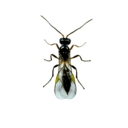
Whitefly control with the parasitic wasp Eretmocerus eremicus Eretmocerus eremicus is a small parasitic wasp belonging to the family Aphelinidae . This beneficial insect is used as an important biolog