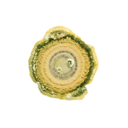
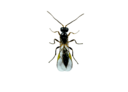
detected in the crop. Introduction rates typically range from 25-125 per m2/release. Releases should be repeated at least five times at weekly intervals
detected in the crop. Introduction rates typically range from 50-100 per m2/release. Releases should be repeated if necessary. Consult a Koppert advisor
near Amsterdam in the Netherlands. Koppert can be found at hall C, booth 2.27. Learn More
bumblebees are the only pollinators present, Koppert typically recommends 2 hives for every acre, with the exception of blueberries and cranberries where
designed for crops with a high density of flowers (35-60 per m²/115-197 per ft 2 ) and is ideal for strawberries, cherry or snack tomatoes, and all crops under [...] Up is suitable for crops covering a surface of more than 2000 m² (6562 ft 2 ). The standard Natupol hive for the pollination of most fruit and vegetable
face. Of the 17 goals, four are specifically related to soils: SDG 2, 3, 12 and 15. Goal 2, for instance, insists that we must produce food sustainably and
and traceability throughout the logistics chain. For example, the datamatrix 2D barcode identifies the specific batch of a product. A QR code helps you navigate
thrips-predating phytoseiids, A. limonicus and T. montdorensis predate also large (2nd instar) thrips larvae. They also have the highest numerical response to thrips [...] average good average good good good good avarage bad bad Tabel 2. Effectiveness (measured as development and oviposition) of different predatory
and shape: Whiteflies are small, winged insects that are typically about 1-2 mm in length. They have a distinctive, triangular shape and hold their wings
early spring (March/April), before mealybugs start producing copious honeydew. 2) Start beneficial insect releases early in the season (April/May) Beneficials