Use the Deltatrap for monitoring and trapping male moths and mealybugs in protected and outdoor crops in combination with a species-specific pheromone. Pests Moths and mealybugs . Crops Protected and
Pests Two-spotted spider mite ( Tetranychus urticae ) and other Tetranychus spp., except Tetranychus evansi . Mode of action Predatory mites use their piercing mouthparts to extract the conten
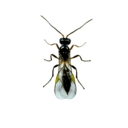
Pests Especially for cotton aphid ( Aphis gossypii) ; tobacco aphid ( Myzus persicae var. nicotianae ); peach-potato aphid ( Myzus persicae var. persicae ). Mode of action Adult parasitic wasps emerge
Pests Larvae of various species of thrips (first and second larval stages); eggs and larvae of greenhouse whitefly ( Trialeurodes vaporariorum ) and tobacco whitefly ( Bemisia tabaci ). Crops Do not u
Pests Two-spotted spider mite ( Tetranychus urticae ); european red mite ( Panonychus ulmi ); citrus red mite ( Panonychus citri ); other spider mite species. Crops Do not use in tomato. Mode of actio
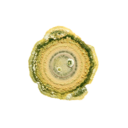
Trichoderma harzianum Rifai strain T-22, which when applied to seeds, transplants or other propagative material, or to soil or planting mixes, grows onto plant roots as they develop and provides prote
Biofungicide for crop protection Trichoderma harzianum T-22 is a species of beneficial fungus commonly used in agriculture and horticulture for its various beneficial properties. This fungus is known
Rediscovering natural approaches to plant health Embracing biological pest control Over the years, biological pest control has proven effective in managing pests without the drawbacks of chemical pest
Predatory bugs Predatory bugs are beneficial insects crucial for natural pest control in agriculture. Equipped with piercing mouthparts, they actively hunt and feed on various harmful pests, helping t
What is biological disease control? Biological control of plant diseases is a method used to manage and reduce the impact of plant diseases by utilizing beneficial organisms. This method relies on the